Carney government's $3.9B transmission line deal threatens Canada's biodiversity commitments
Ottawa pledged $3.9 billion for the North Coast Transmission Line to power LNG and mining projects. Scientists say the subsidy directly contradicts international nature protection targets.
The day's top stories, food & events — every morning at 7. Unsubscribe anytime.
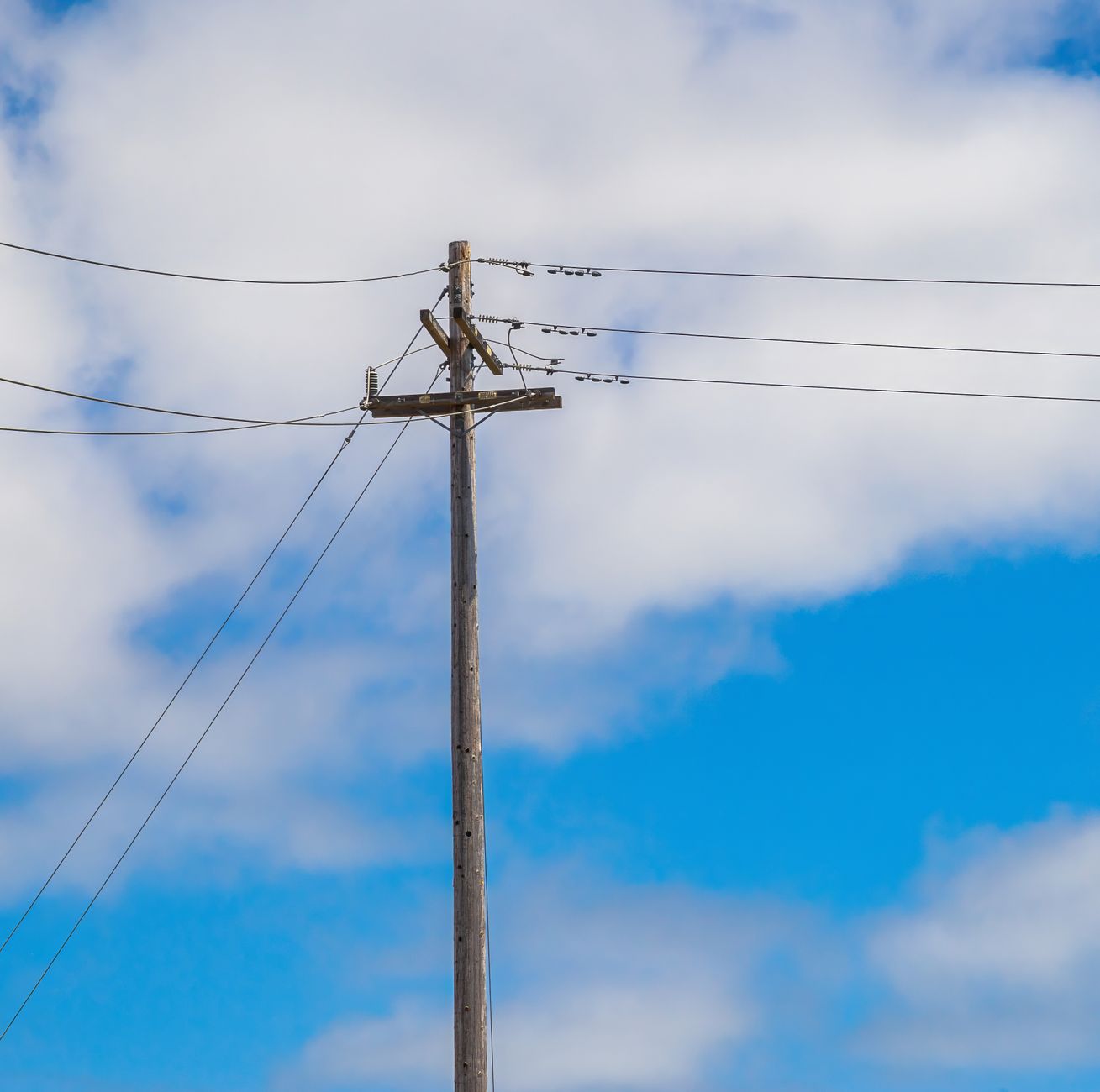
The Carney government's promise of $3.9 billion for the North Coast Transmission Line — a 450-kilometre high-voltage line from Prince George to Terrace — directly undermines Canada's international commitment to eliminate subsidies that harm biodiversity, according to conservation scientists.
The transmission line will provide publicly subsidized power for liquefied natural gas and mining projects. The government has already invested $500 million to expand the Red Chris gold and copper mine in northwest B.C., owned by U.S.-based Newmont Corp. and Vancouver-based Imperial Metals. Ottawa has also pledged financial support for a $10-billion Roberts Bank port expansion in Delta and promised to accelerate permitting, financing and construction for four LNG export projects, including Woodfibre LNG in Squamish.
Justina Ray, president and senior scientist at Wildlife Conservation Society Canada, said Canada is flouting "Target 18" of the Kunming-Montreal Global Biodiversity Framework — an international agreement 196 countries adopted in 2022. That target commits nations to eliminate, phase out or reform biodiversity-harming subsidies by 2030.
"Biodiversity again loses out," Ray told The Tyee. She said Ottawa's contribution to the North Coast Transmission Line is a subsidy that harms biodiversity.
The framework emerged from biodiversity talks in Montreal and commits countries to stop human-induced extinctions of threatened species, protect 30 per cent of the world's land and waters by 2030, and restore degraded ecosystems such as forests and wetlands. Canada was required to identify subsidies harming biodiversity by mid-2025.
Jessica Dempsey, a University of British Columbia professor who studies the political economy of biodiversity loss, said the infrastructure spending has immediate consequences. "When ecosystems are degraded, they're more susceptible to fire and, as we've seen, to flooding. The impacts are not just to nature; they're really to everyone," Dempsey told The Tyee.
Ray was a member of the Canadian delegation to the 2022 biodiversity talks. Western LNG, a Texas-based company, is set to receive power from the North Coast Transmission Line to operate its Ksi Lisims LNG project.
Has Canada formally filed its subsidy audit required by the Kunming-Montreal framework?
What is the government's response to the allegation it is violating its own Target 18 commitment?
We'll update this story as answers emerge.
The facts
How much has Ottawa pledged for the North Coast Transmission Line?
$3.9 billion for the 450-kilometre high-voltage line from Prince George to Terrace.
What international biodiversity agreement does the transmission line subsidy contradict?
The Kunming-Montreal Global Biodiversity Framework, adopted by 196 countries in 2022, which commits nations to eliminate, phase out or reform biodiversity-harming subsidies by 2030.
What mining projects will receive power from the transmission line?
The Red Chris gold and copper mine in northwest B.C., owned by Newmont Corp. and Imperial Metals, and the Ksi Lisims LNG project operated by Western LNG, a Texas-based company.
