Hundreds protest proposed AI data centres in Vancouver
The second major demonstration in a month drew crowds to the Vancouver Art Gallery, with a petition now at over 15,000 signatures opposing the Telus and federal plan.
The day's top stories, food & events — every morning at 7. Unsubscribe anytime.
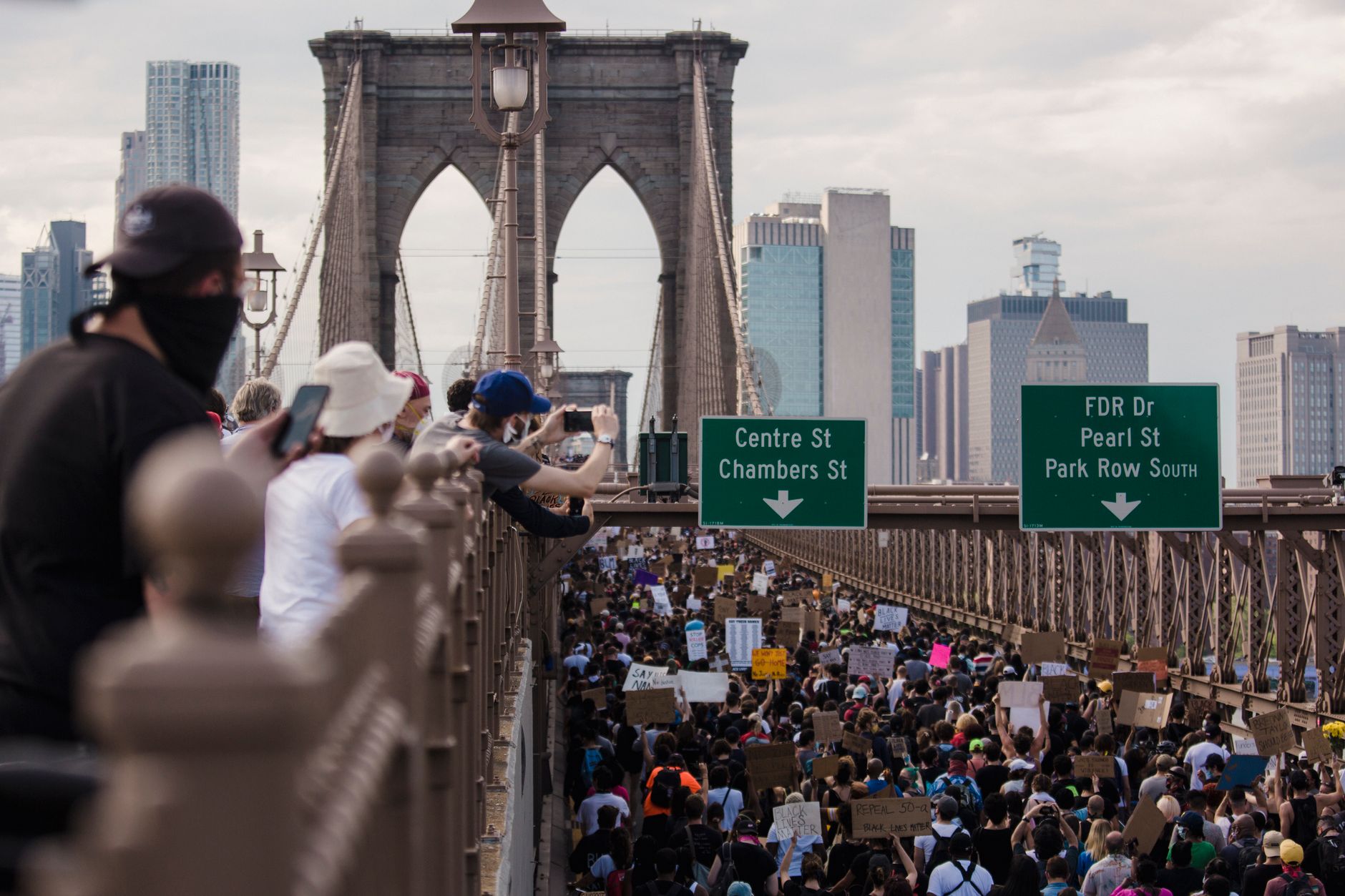
Hundreds of people gathered near the Vancouver Art Gallery on Saturday to oppose AI data centre facilities the federal government and Telus plan to build in British Columbia — the second major protest on the issue in less than a month.
Telus and the federal government announced plans earlier this year to build and operate three AI data centre facilities in the province: two near Vancouver and one near Kamloops. The proposal has sparked concerns over environmental impact, water usage, and energy demands.
"Data centres bring a lot of pollution and shortages of power and water, and that isn't really great," one protester said. Another raised the timing of the project: "We are already going through water restrictions and data centres would only add to that. There's also the strain that it puts on just energy in general. We are already set to run out of power. A data centre would make that even worse. There's also the air and noise pollution to be considered."
BC Green leader Emily Lowan attended the event, warning that data centres pose environmental risks and calling for AI regulation. "Because of B.C.'s extreme continuous droughts, we are now a net importer of coal-fired electricity from the United States," she said.
Protesters also highlighted the need for greater public consultation. One speaker said: "If we have to build a data centre, I feel like a better location should be picked and more consideration for how it would impact the cities and the people and the communities around it. There's got to be more public involvement with these kinds of heavy-interest approvals."
More than 15,000 people have signed an online petition opposing the project. The petition creator emphasized the regional scope: "It will affect our region as a whole; it's not just a city-based issue, it's something that the whole province will have to deal with. There's been a lack of communication with British Columbians regarding changes to our water supply as we are going into water restrictions. It feels hypocritical to tell us that we can't water our lawn and that we could face a fine while something that will require so many thousands of litres of water a week is going ahead without outward communication."
