Longer Summers Aren't Just Hot—They're Getting Dangerous
Climate research shows summer conditions in B.C. are extending by six days per decade, fueling fire season and drought.
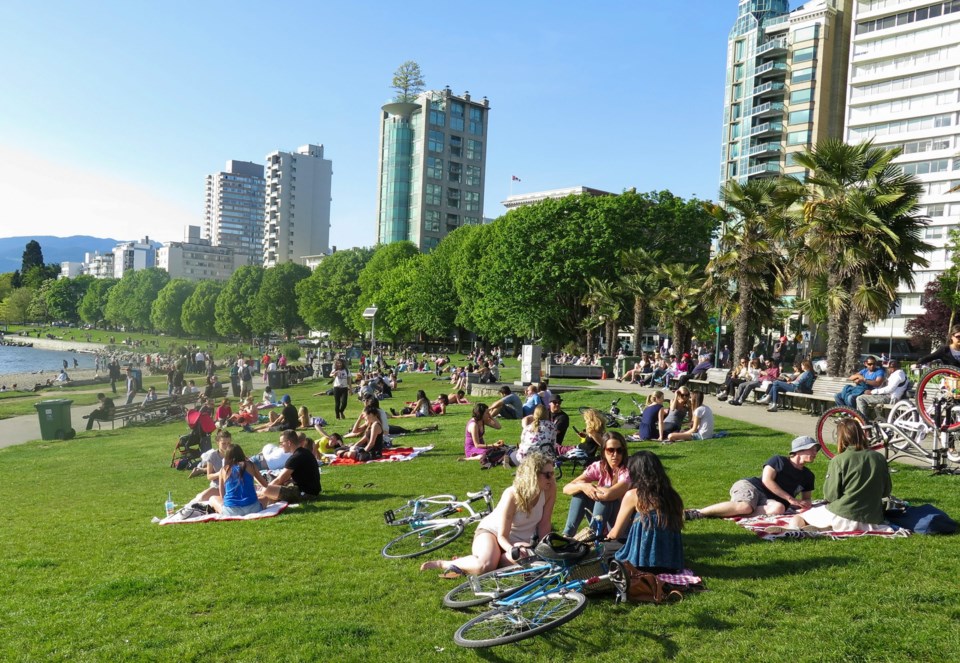
Summer in Vancouver used to have boundaries. Not anymore. A new analysis reveals that the number of days with summer conditions across the region has grown by roughly six days per decade since 1990—a shift that sounds incremental until you realize what it means for the city's infrastructure, agriculture, and daily life.
The data is sobering. Longer, hotter summers aren't a lifestyle upgrade; they're a compounding crisis. Extended warmth drives earlier fire season, stretches drought cycles, spikes energy demand for cooling, and disrupts agricultural activity across the province. For Vancouverites, the ripple effects show up everywhere: wildfire smoke drifting into the city in September, hosepipe bans in July, blackout warnings, and the quiet displacement of farmers' growing seasons.
This isn't just a regional problem. B.C. is a canary—what happens here spreads. Agricultural supply chains feel the strain. Utilities scramble to meet peak demand. Forests dry out earlier, and fire management becomes increasingly reactive. The pattern is clear: gradual doesn't mean manageable when the trend is this steep.
For a city that built its identity partly on temperate summers and mild winters, the shift signals deeper changes ahead. Planning for longer, hotter summers means rethinking how Vancouver homes stay cool, how the city manages parks and green spaces, and how vulnerable populations—seniors, outdoor workers—prepare for heat. The science is settled; the adaptation is just beginning.