More whales visiting Vancouver waters, researchers say. Here's why.
Transient killer whales, humpback, and grey whales are increasingly seen in the Salish Sea. Recovery from whaling and conservation efforts are driving the return.
The day's top stories, food & events — every morning at 7. Unsubscribe anytime.
Vancouver's waters are seeing more whales than they have in decades, and researchers say the reason is straightforward: the city has "great grub" and conservation is working.
A new study states that transient killer whales are now seen in the Salish Sea for more than two-thirds of the year, on average. Humpback whales have rediscovered an ancestral feeding area after commercial whaling eliminated them from the region entirely between 1907 and 1910. Grey whales, normally seen along the outer coast of Vancouver Island, are making surprise pit stops during their migration north.
According to UBC researcher Taryn Scarff, transient killer whales regularly visit harbours in Vancouver and Victoria to hunt. The reason: seal and sea lion populations have recovered. "They had been heavily culled until the 70s. Now they are a year-round buffet," said Dr. Andrew Trites, a professor in UBC's Institute for the Oceans and Fisheries.
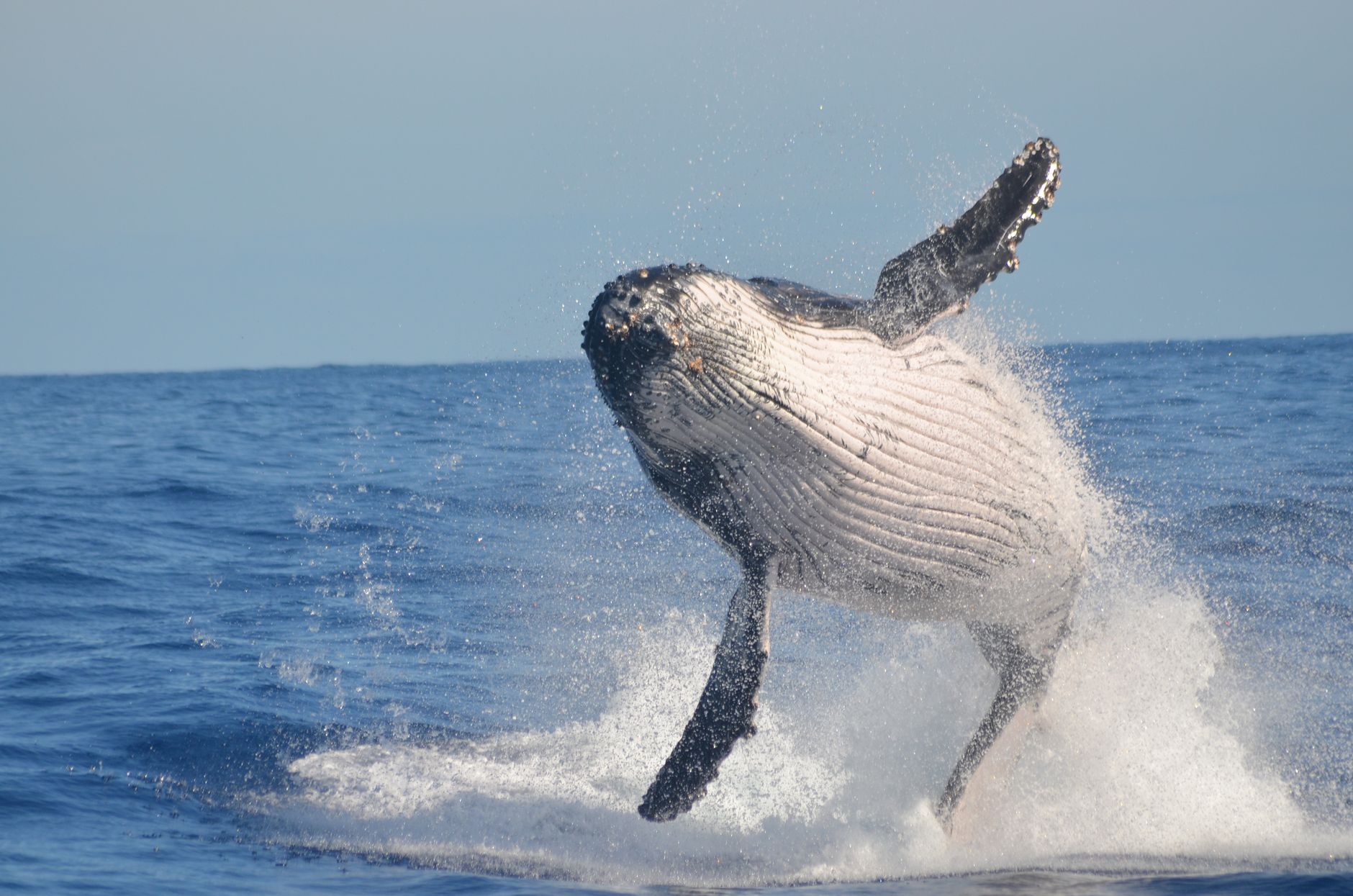
Humpback whales are making a return after commercial whaling in the north Pacific ended in the mid-1960s. It took about a century for them to rediscover the feeding grounds around the coast. "Large numbers now return to B.C. waters each summer to feed on krill, herring and other prey. In winter, they migrate to breeding grounds in Hawaii and Mexico," Trites said.
Baleen whales such as humpback and grey whales arrive in the Salish Sea focused on rebuilding energy stores after fasting during winter breeding and migration. "They feed on the Pacific Northwest's cold-water prey, which are rich in fats," said Julia Adelsheim, IOF alumna and whale biologist.
To keep whales safe, residents and boaters should maintain distance. Around southern B.C., vessels need to stay at least 200 metres away from most killer whales and 1,000 metres away from endangered southern resident killer whales. Other whales require 100 metres' distance, or 200 metres if they are resting or with a calf. "If you see a blow, go slow," Adelsheim said. "Whales can change direction and surface unexpectedly, so giving them extra space helps keep everyone safe."
