North Shore bears venturing deeper into neighbourhoods as they pack on calories before hibernation
Reports of bears in residential and commercial areas are up more than 50 per cent this year, with activity stretching from Ambleside to Lonsdale.
The day's top stories, food & events — every morning at 7. Unsubscribe anytime.
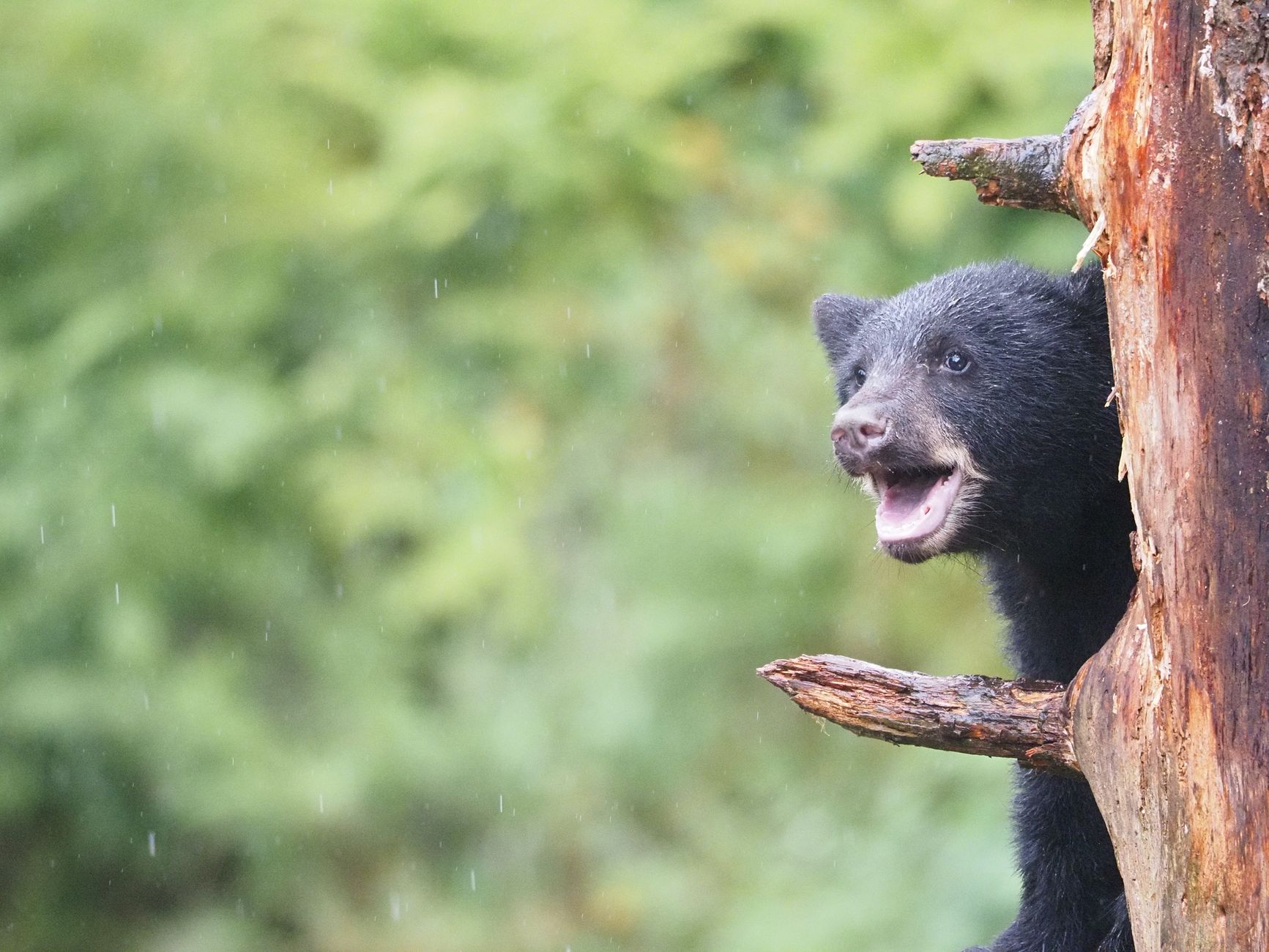
North Shore bears are venturing further into urban neighbourhoods than usual as they race to pack on pounds before hibernation, with reports running "well over 50 per cent above" a normal year, according to the North Shore Black Bear Society.
"We're probably well over 50 per cent above our normal year for reports into us," said Holly Reisner, the society's executive director. "Currently we've got bear activity in the Ambleside area. We've got bears all the way to Lonsdale, even the lower Marine area."
The surge likely stems from a combination of factors. A bumper crop of berries in 2025 allowed more bears to make it through hibernation and more cubs to be born. This summer's dry conditions, however, dried up wild food sources, forcing the population to wander farther from forests to find meals — often in neighbourhoods where residents and businesses leave garbage accessible or fruit on trees.
During fall "hyperphagia," the period when bears put in overtime to prepare for denning, the animals can need upwards of 20,000 calories per day and remain active up to 20 hours daily. Bears lured in by non-natural foods — garbage, fruit, waste — are more likely to be deemed a public safety risk by the B.C. Conservation Officer Service and killed.
Three bears have been shot on the North Shore this year, all in West Vancouver. Two were killed after pushing their way into enclosed spaces like homes or sheds — what Reisner called "crossing a red line" for enforcement. The third was killed after an altercation with a dog.
One hotspot has been Edgemont Village, where unsecured commercial dumpsters and restaurant waste oil bins have been raided nightly. The Black Bear Society is lobbying the District of North Vancouver's bylaw department to enforce regulations. Residents and businesses should use fully lockable steel bins with building enclosures, pick and remove all tree fruit, keep garbage inside until collection day, freeze organics before putting them out for collection, and wash bins with vinegar or pine-scented cleaner.
"Stinky bins attract bears," Reisner said. "I think that is very fair to say that many residents are just surprised to see bears in their area. We try to get people into the mindset of, 'We live in bear country. This is bear country,' and so we all need to be thinking about what we need to do to coexist with these animals."
The facts
How much have bear reports increased on the North Shore this year?
Reports are running more than 50 per cent above a normal year, according to the North Shore Black Bear Society.
How many bears have been shot on the North Shore this year?
Three bears have been shot on the North Shore in 2026, all in West Vancouver. Two were killed after entering enclosed spaces like homes or sheds, and one was killed following an altercation with a dog.
What should residents do to reduce bear encounters?
Use fully lockable steel bins with building enclosures, remove all fruit from trees, keep garbage inside until collection day, freeze organics before putting them out, and wash bins with vinegar or pine-scented cleaner.
