Premier Eby's silence on U.S. alcohol ban signals stalled softwood lumber negotiations
B.C. has kept its ban on U.S. alcohol imports since 2025 despite federal pressure. An economist reads the lack of movement as a sign trade talks on the forest sector aren't progressing.
The day's top stories, food & events — every morning at 7. Unsubscribe anytime.
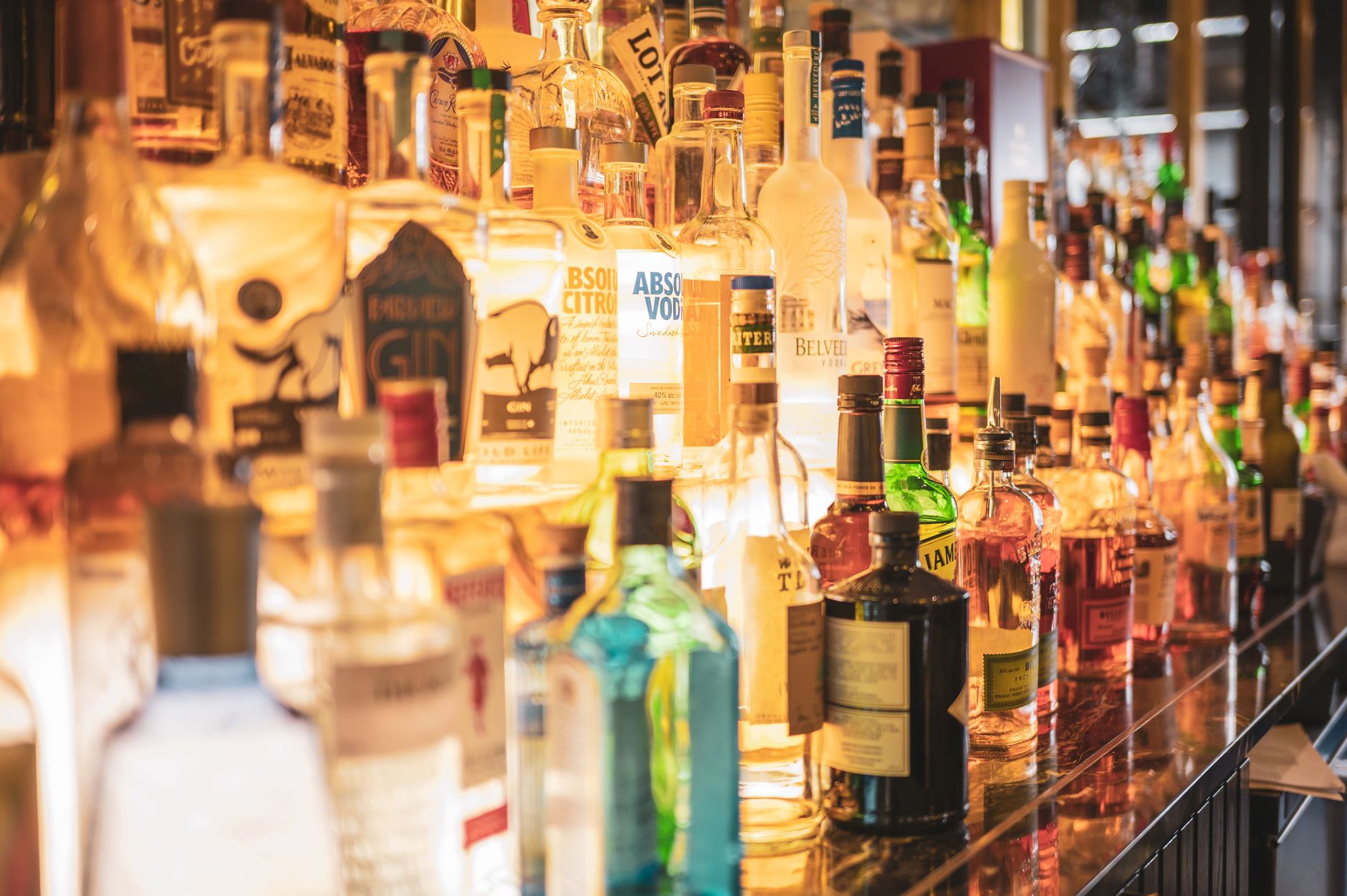
Premier David Eby offered no indication Wednesday he will lift B.C.'s ban on U.S. alcohol imports despite reported pressure from Prime Minister Mark Carney to do so as part of federal trade negotiations with the Trump administration.
In a written statement, Eby said he "stands with Team Canada" but declined to comment on the alcohol ban, which has been in place since 2025 when the U.S. imposed tariffs on top of longstanding duties on softwood lumber. Last month, Eby said there was "not a chance in hell" he would reinstate U.S. alcohol sales. This week's continued silence suggests the stance hasn't shifted.
Werner Antweiler, UBC associate professor of economics at the Sauder School of Business, reads Eby's statement as code: no movement on lifting the alcohol ban means no resolution on the softwood lumber file. "It can only mean there is no resolution on the softwood lumber file. And if B.C. isn't coming out of this with relief why should they stop the ban on U.S. alcohol imports?" Antweiler said. "I don't expect much movement on the softwood lumber file. That's what I read from Mr. Eby's statements."
The U.S. currently maintains a 10 percent tariff on all softwood lumber imports alongside longstanding anti-dumping and subsidy tariffs, plus a 25 percent tariff on certain wood products such as furniture and cabinets, citing national security provisions.
Kim Haakstad, president and CEO of the BC Council of Forest Industries, said the forest sector has received no information from government on ongoing negotiations after Trump paused a threatened 50 percent tariff on all Canadian goods for three days. She praised Eby's restraint. "I don't want to read between the lines when we don't have enough information," she said. "I think [Eby] is handling it more like we are; he's not going to comment on speculation."
What are the specific terms being negotiated between Ottawa and Washington on softwood lumber?
What conditions would Eby require before agreeing to lift the alcohol ban?
We'll update this story as answers emerge.
The facts
When did B.C.'s ban on U.S. alcohol imports begin?
British Columbia imposed the ban on U.S. alcohol imports in 2025, following U.S. tariffs on softwood lumber.
What tariffs does the U.S. currently maintain on softwood lumber?
The U.S. maintains a 10 percent tariff on all softwood lumber imports alongside longstanding anti-dumping and subsidy tariffs, plus a 25 percent tariff on certain wood products such as furniture and cabinets.
