Vancouver council wants tighter rules on temporary parks on land approved for housing
Council unanimously backed a motion asking staff for tighter rules after temporary parks cut developers' property tax bills while housing projects stall.
The day's top stories, food & events — every morning at 7. Unsubscribe anytime.
Update — November 23, 2026: Council's motion asks staff to review rules for temporary community gardens and dog parks on vacant development sites, with findings expected in the second quarter of 2027. The new material adds that the province's recreation property class, which BC Assessment sets, is billed at the residential rate in Vancouver, and that BC Assessment's policy does not assess minor improvements worth $10,000 or less, which is why the city's review covers only the municipal guidelines and permits it controls.
Council unanimously approved a motion the week of Nov. 16 asking city staff to report back with tighter rules on temporary parks and gardens on land already approved for housing. Coun. Lucy Maloney brought the motion, which says some developers may be converting sites into parks and gardens to cut their property taxes while approved housing projects sit unbuilt.
When a property pays less tax, the city loses that revenue, and the shortfall is spread across the remaining tax base. Since 2019, about $3.6 million in general-purpose municipal taxes has been redistributed this way as properties moved from business to parks and gardens. In 2026 alone, 10 properties with a combined assessed value of $178.5 million were reclassified, shifting about $913,000 onto other taxpayers.
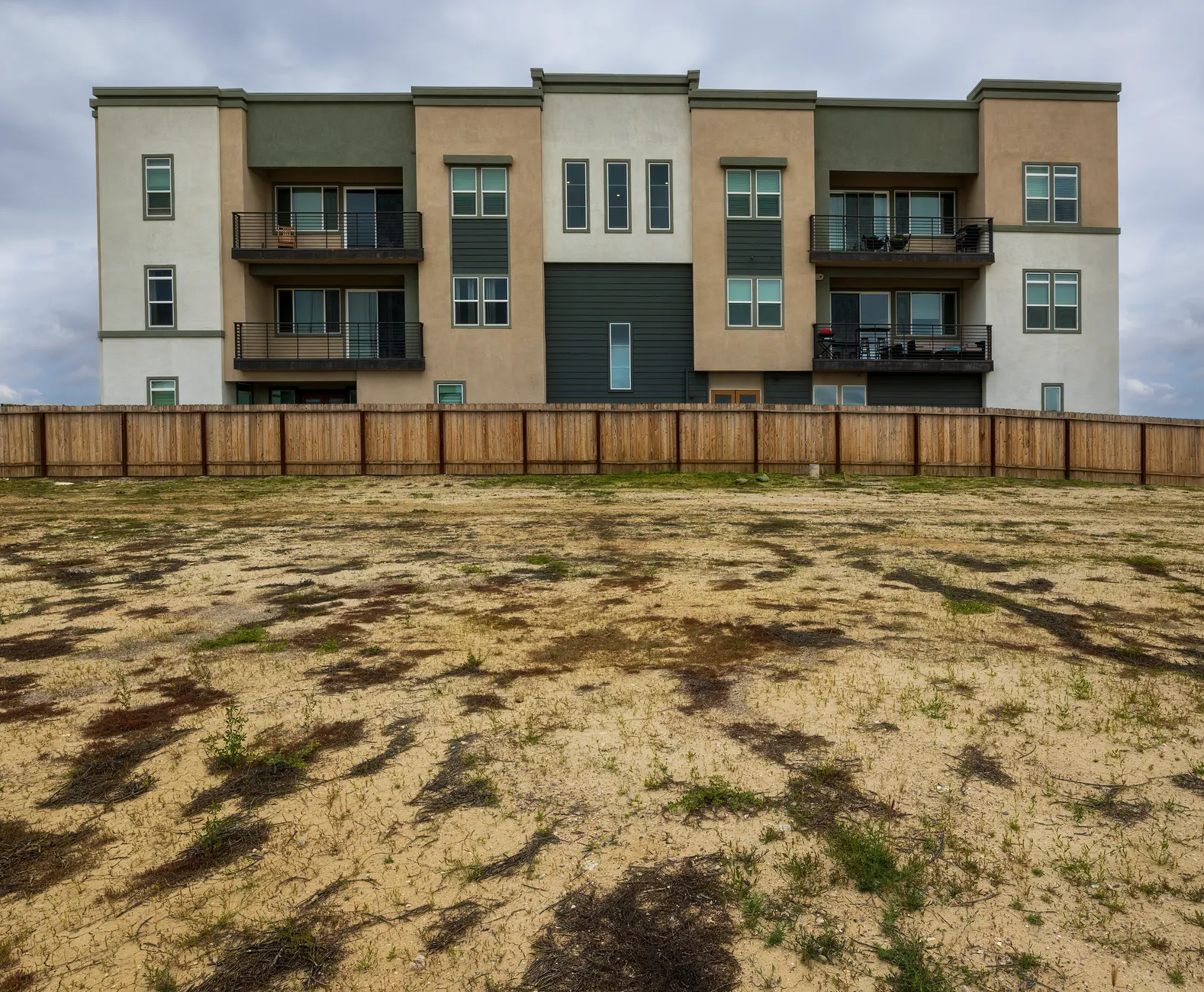
The main example is Holborn Group's Little Mountain redevelopment near Queen Elizabeth Park. The site is 15 acres, bought from the province in 2008. The 2016 rezoning approved about 1,400 market homes, 234 replacement non-market homes owned by B.C. Housing, and 48 affordable rental homes owned by the city. About 160 non-market homes have been completed. Parts of the site are vacant and covered in wood chips, and it hosts temporary dog parks and a community garden with 100 raised planter beds. A city staff report estimated the temporary parks and gardens cut the developer's property tax bill by about $315,000 last year.
Michael Geller, an adjunct professor at SFU's Centre for Sustainable Community Development, said: "Some developers have simply taken advantage of the system." He said the city has to "increase the taxes on everybody else," and added: "I think it's the right thing for the city to review this." On Little Mountain, he said: "The community gardens are these tiny little boxes with huge spaces in between," and "What's happening at Little Mountain is really an abuse of the idea." He also said the city should weigh developers' financial pressures: "A lot of the developers would love to proceed with their projects, but they simply cannot arrange financing," and "It needs to be a fair balance."
Holborn Group has not commented before publication. Maloney said: "Several major projects designed to deliver thousands of new housing units remain unconstructed." The motion says: "Given current market conditions, more developers may pursue tax reclassification strategies at a time when there is an urgent need to prioritize creating affordable housing options."
The motion asks staff to recommend changes to prevent developers using these spaces for "tax avoidance," and to set standards for them: greenery, benches, shade, and possible limits on how long they can stay in place. Maloney says the issue has been on the city's radar for more than a decade. Staff are to report back; the date for that report has not been set.
Which vacant housing sites are currently using the parks-and-gardens reclassification, and how many are there beyond the 10 reclassified in 2026?
What did the city staff report estimating the $315,000 tax reduction at Little Mountain say, and when was it written?
When will staff bring back recommendations, and will any new rule apply to sites already reclassified?
We'll update this story as answers emerge.
