Women experiencing homelessness in B.C. rose 46% in five years, new data show
B.C. Housing data reveals 11,416 women without fixed address in 2024, up from 7,848 in 2019. Women aged 35–44 saw the steepest increase at 71%.
The day's top stories, food & events — every morning at 7. Unsubscribe anytime.
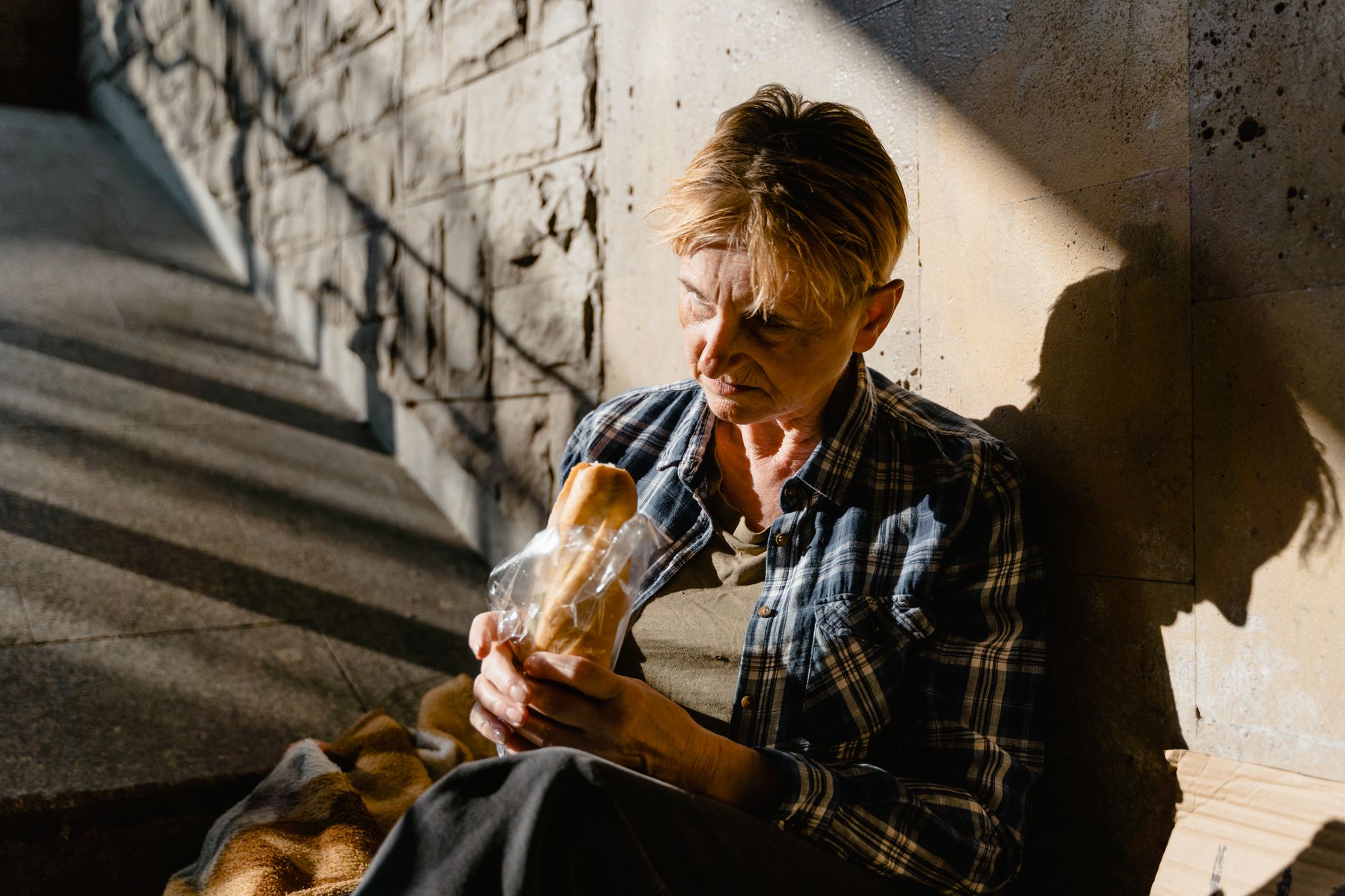
Women experiencing homelessness in British Columbia jumped 46% in five years, reaching 11,416 in 2024 from 7,848 in 2019—a rise that outpaced men's homelessness increase of 30% over the same period, according to data B.C. Housing released in April.
The jump was steepest among women aged 35 to 44, who nearly doubled in number from 1,769 to 3,017. Women aged 55 and older rose 55%, those 45 to 54 climbed 42%, and women 25 to 34 increased 37%.
In Metro Vancouver specifically, women accounted for 31% of people surveyed experiencing homelessness in the 2025 point-in-time count, up from 27% in 2017. B.C. Housing's data—which tracks people who received social assistance for at least three consecutive months while reporting no fixed address, or stayed at a B.C. Housing-affiliated shelter—identified 14,111 people experiencing homelessness across Metro Vancouver in 2024. That figure is substantially higher than the 2023 point-in-time count of 5,232, suggesting many people fall through traditional street counts.
"I hope it's a wake-up call for governments," said Jenna Breuer of Atira Women's Society, a Vancouver non-profit serving women affected by homelessness. "Many people in British Columbia now are folks who are one step away from needing a housing subsidy — one actual paycheque away."
Andy Yan, director of the City program at Simon Fraser University, said the new figures are more comprehensive and reveal a "huge" homeless population uncaptured by traditional point-in-time counts, which are conducted every few years in each region.
Service providers say women experiencing homelessness often stay on friends' couches, sleep in vehicles, or remain in unsafe relationships rather than sleeping on streets—which is why they are more likely to be missed in counts. The City of Vancouver acknowledges women are more likely to be overlooked because they may stay temporarily with friends or family.
Both the Elizabeth Fry Society of Greater Vancouver and Breuer said the region lacks sufficient shelter and housing options for women. The Elizabeth Fry Society noted that by the time a woman reaches a shelter, "there is often a much longer story behind that"—involving intimate partner violence, financial instability, trauma, or caring for children.
What is the timeline for new shelter and housing capacity specifically for women?
How many women are currently on waitlists for B.C. Housing programs?
Which neighbourhoods in Metro Vancouver have the highest concentrations of women experiencing homelessness?
We'll update this story as answers emerge.
The facts
How many women experienced homelessness in B.C. in 2024?
11,416 women experienced homelessness in British Columbia in 2024, up from 7,848 in 2019.
Which age group of women saw the largest increase in homelessness?
Women aged 35 to 44 saw the steepest increase, nearly doubling from 1,769 to 3,017 between 2019 and 2024.
What percentage of Metro Vancouver's homeless population were women in 2025?
Women accounted for 31% of people experiencing homelessness in Metro Vancouver in the 2025 point-in-time count, up from 27% in 2017.
Why are women experiencing homelessness often undercounted?
Women experiencing homelessness frequently stay on friends' couches, sleep in vehicles, or remain in unsafe relationships rather than sleeping on streets, making them more likely to be missed in traditional street counts.
