Hundreds of goats return to Nose Hill Park to restore native prairie
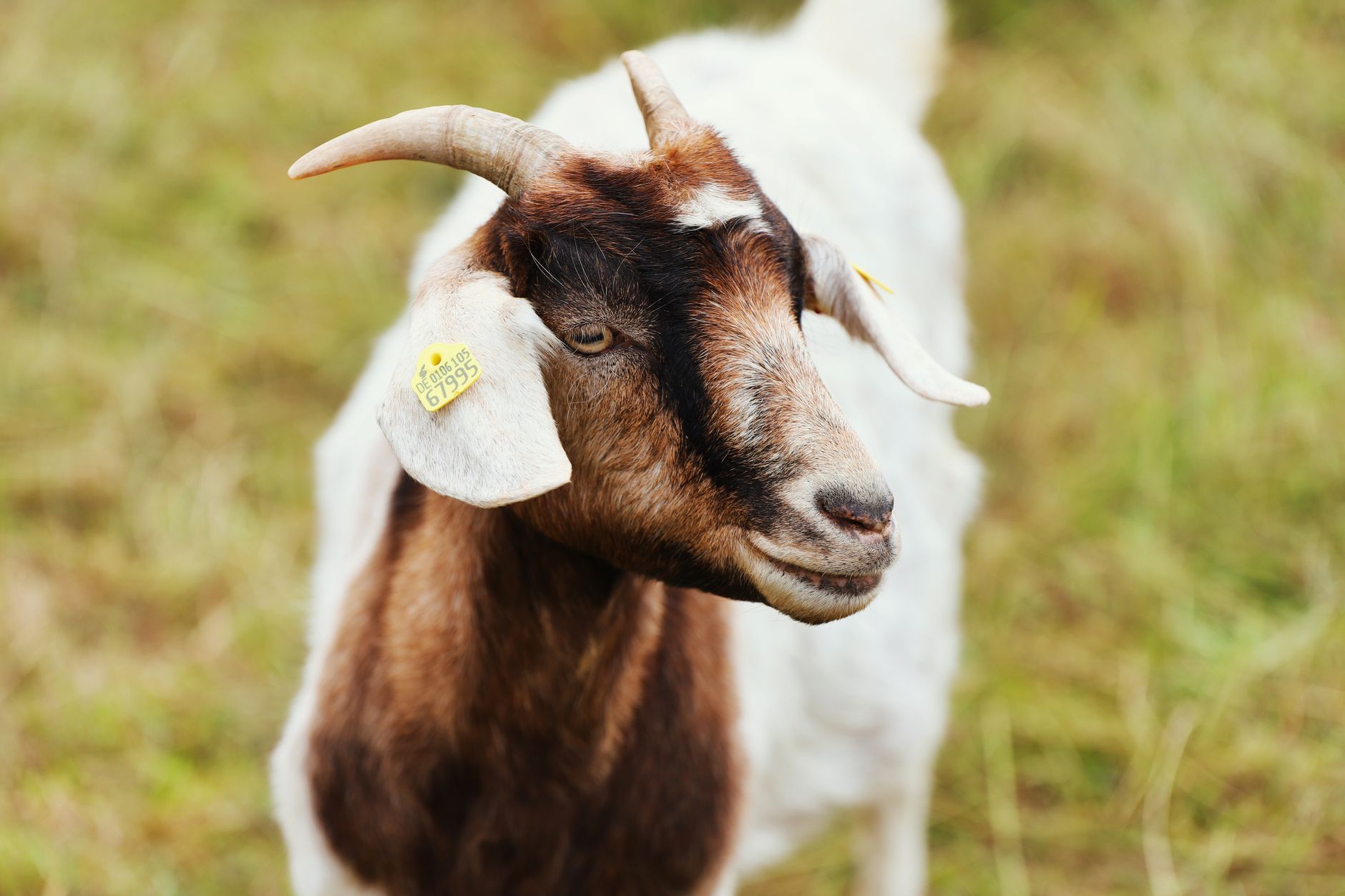
Roughly 600 goats will graze in a fenced section of Calgary's Nose Hill Park from July 14 to July 30, eating invasive weeds and thick vegetation to support ecosystem health.
The day's top stories, food & events — every morning at 7. Unsubscribe anytime.
Goat grazing has returned to Calgary's Nose Hill Park this month as part of ongoing efforts to restore and maintain the park's natural grasslands.
Roughly 600 goats will be brought into a fenced section of the park between July 14 and July 30 to eat invasive weeds and thick vegetation. Visitors may notice temporary fencing, a shepherd, herding dogs, and occasional pathway closures while the animals are on-site.
The grazing helps replicate natural prairie processes that were historically carried out by large grazers such as bison and elk, according to the City of Calgary. By opening space for native grasses and reducing overgrown plants and dry vegetation, the process also reduces fire risk.
"Targeted grazing is one of the tools we use to support long-term ecosystem health," said ecologist Andrew Phelps. The most visible changes happen quickly as the goats clear dense patches of vegetation. The long-term benefits — a healthier, more resilient grassland — are expected to develop over multiple seasons. The city will continue monitoring the area to track how the landscape responds to the grazing.
At a glance
When will the goats be grazing in Nose Hill Park?
Roughly 600 goats will graze in a fenced section of Calgary's Nose Hill Park from July 14 to July 30, 2026.
What will visitors see while the goats are there?
Visitors to Nose Hill Park may notice temporary fencing, a shepherd, herding dogs, and occasional pathway closures during the grazing period.
Why is goat grazing used in Nose Hill Park?
The goats eat invasive weeds and thick vegetation to support ecosystem health, replicate natural prairie processes historically carried out by bison and elk, and reduce fire risk by clearing dense vegetation.
