A trench caved in at an Edmonton infill site and a worker died. Safety rules were ignored.
Brian Frederick Tomyn was killed in a four-metre-deep excavation at Westmount. The site lacked basic protections required by law.
The day's top stories, food & events — every morning at 7. Unsubscribe anytime.
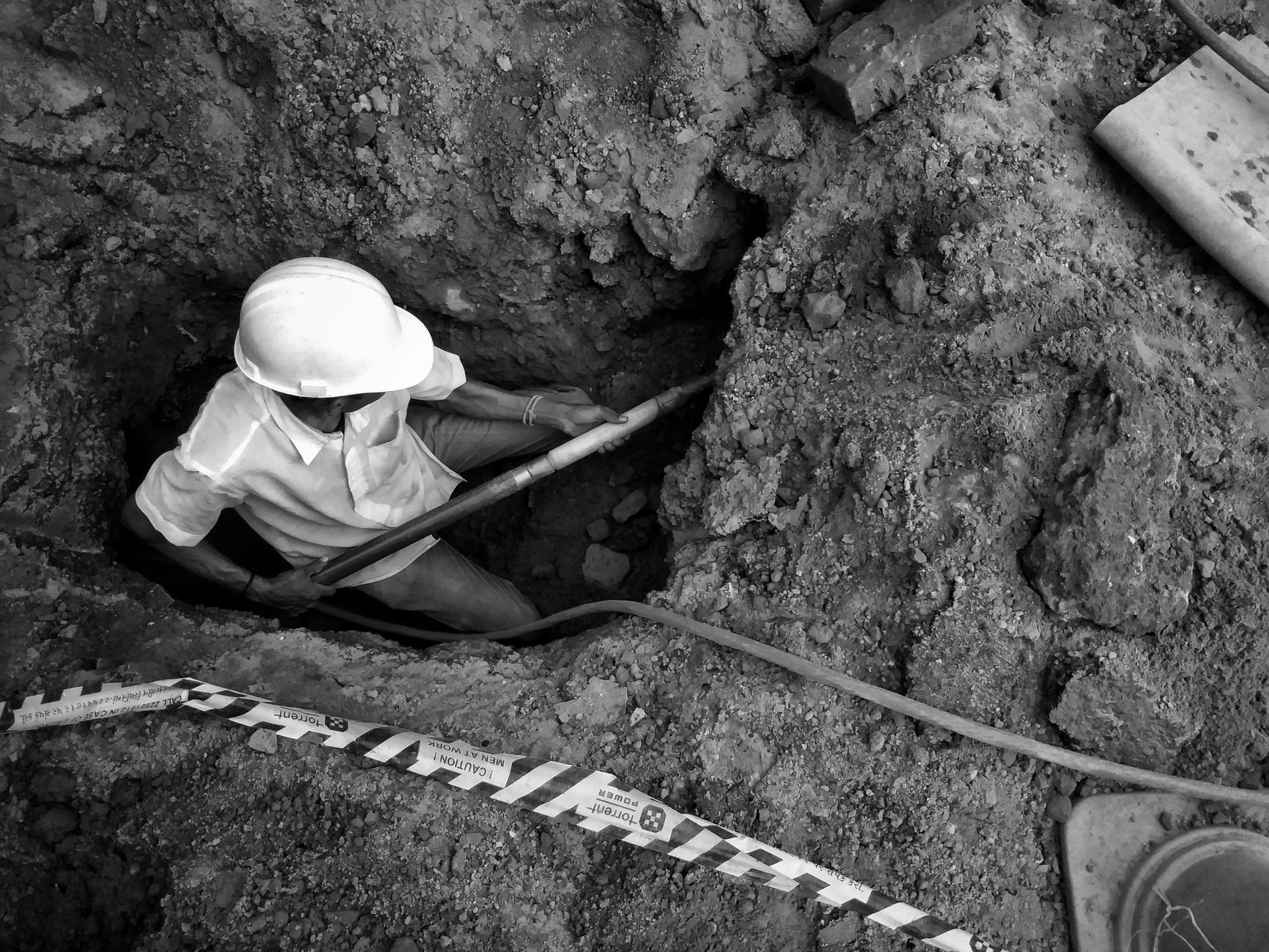
Brian Frederick Tomyn died when the wall of a four-metre-deep trench caved in at a Westmount infill construction site. He was digging a sewer line when the collapse happened. It took crews five hours to locate his body and four more hours to dig him out. He was found upright, still holding a piece of pipe.
The cause of death was traumatic asphyxia from the sudden crushing weight of debris. What makes this preventable: the trench had no cut back, no shoring, and only one piece of lattice to climb in and out. Alberta's occupational health and safety code requires that excavations deeper than 1.5 metres with workers close to the wall must have back-cutting or shoring. For anything deeper than three metres, the code requires a temporary protective structure certified by a professional engineer.
The development company director pleaded guilty to failing to follow safety regulations and was ordered to pay more than $100,000 in fines. The subcontractor was fined $425,000 and sentenced to four months in jail. That subcontractor had no previous training in excavation or construction before operating the backhoe.
Tomyn's death coincided with the National Day of Mourning for workers killed or hurt on the job. It reflects a broader pattern: after two years of accelerated infill construction in Edmonton, builders are still failing to comply with the safety rules that would have saved his life. Alberta Occupational Health and Safety performed 433 proactive inspections at residential sites in Edmonton over the past two years. The top enforcement issues: fall protection, excavation safety, and hazardous materials including asbestos. Observers have documented workers more than three metres high without fall protection and workers too close to walls inside excavations without proper shoring or sloping.
Renato Macciotta, a University of Alberta engineering professor, said cave-ins come up every few years despite clear life-saving rules. When excavations go deeper than three metres, the complexity of factors affecting cave-in risk — depth, width, ground material, rainfall, how long the excavation has been standing — requires engineered solutions like shoring. "We have processes in place to prevent these exact types of occurrences," Macciotta said.
How many infill sites in Edmonton are currently operating without proper shoring or fall protection?
Has the city considered suspending or reviewing infill permits at any sites since Tomyn's death?
What enforcement follow-up has OHS taken at the sites where observers documented safety violations?
We'll update this story as answers emerge.
The facts
Who died in the trench collapse at Westmount?
Brian Frederick Tomyn died when the wall of a four-metre-deep trench caved in while he was digging a sewer line at a Westmount infill construction site.
What safety equipment was missing from the trench?
The trench at Westmount had no cut back, no shoring, and only one piece of lattice to climb in and out, violating Alberta's occupational health and safety code requirements for excavations deeper than 1.5 metres.
What were the penalties for the violations?
The development company director was ordered to pay more than $100,000 in fines for failing to follow safety regulations. The subcontractor was fined $425,000 and sentenced to four months in jail.
What were the top safety violations found at Edmonton residential sites?
Alberta Occupational Health and Safety found that fall protection, excavation safety, and hazardous materials including asbestos were the top enforcement issues after 433 proactive inspections at residential sites over two years.
