Heat waves strain Toronto's transit system with reduced speeds and derailment risks
Extreme heat can cause rail tracks to expand and buckle, forcing trains to slow down and leaving commuters vulnerable to service disruptions.
The day's top stories, food & events — every morning at 7. Unsubscribe anytime.
Heat waves make Toronto's TTC and GO Transit less reliable by straining electrical and mechanical systems, according to an infrastructure expert. Extreme heat can cause rail tracks to expand and buckle, increasing derailment risks and contributing to service disruptions.
Nicholas Roberts, Associate Vice President of Goods Movement, Ports and Marine at CPCS, said that during hot days, mechanical and electrical systems on buses and trains become overloaded as they work harder to cool the vehicles. "If you have more hot days, it's harder for those cooling systems to keep up," he explained.
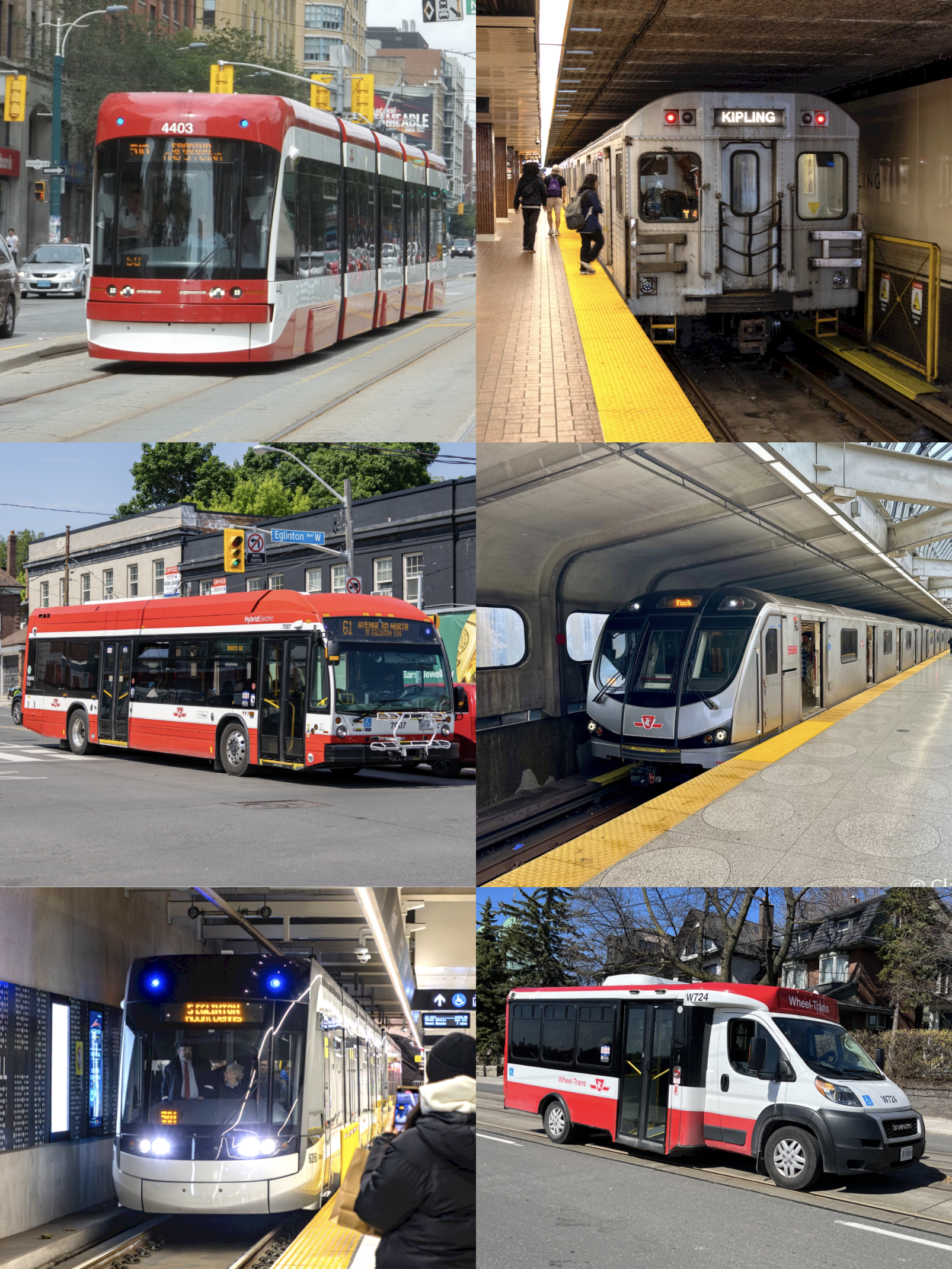
During Ontario's recent heat wave earlier this month, the TTC notified customers that Line 1 and Line 2 subway trains would be running at reduced speeds through open areas. Meanwhile, commuters on the Line 5 and Line 6 LRTs were asked to push the door button when boarding and exiting due to hotter temperatures.
A phenomenon called buckling happens when metal train tracks expand under extreme temperatures and deform outwards, creating derailment risks. During the latest heat wave, one Ontario resident reported that two of her GO trains experienced delays while another was interrupted during the trajectory due to derailment concerns.
Heat waves also pose health and safety risks for transit workers and passengers. Roberts suggests transit agencies can adapt by upgrading infrastructure for hotter conditions, protecting vulnerable equipment from direct sunlight, and incorporating climate resilience into future projects.
