Surrey mayoral candidate Mike Starchuk proposes empty homes tax to fund 1,000 supportive housing units yearly
Plan mirrors Vancouver's tax; would need provincial authority to proceed. Starchuk seeking commitments from provincial parties before October 24 election.
The day's top stories, food & events — every morning at 7. Unsubscribe anytime.
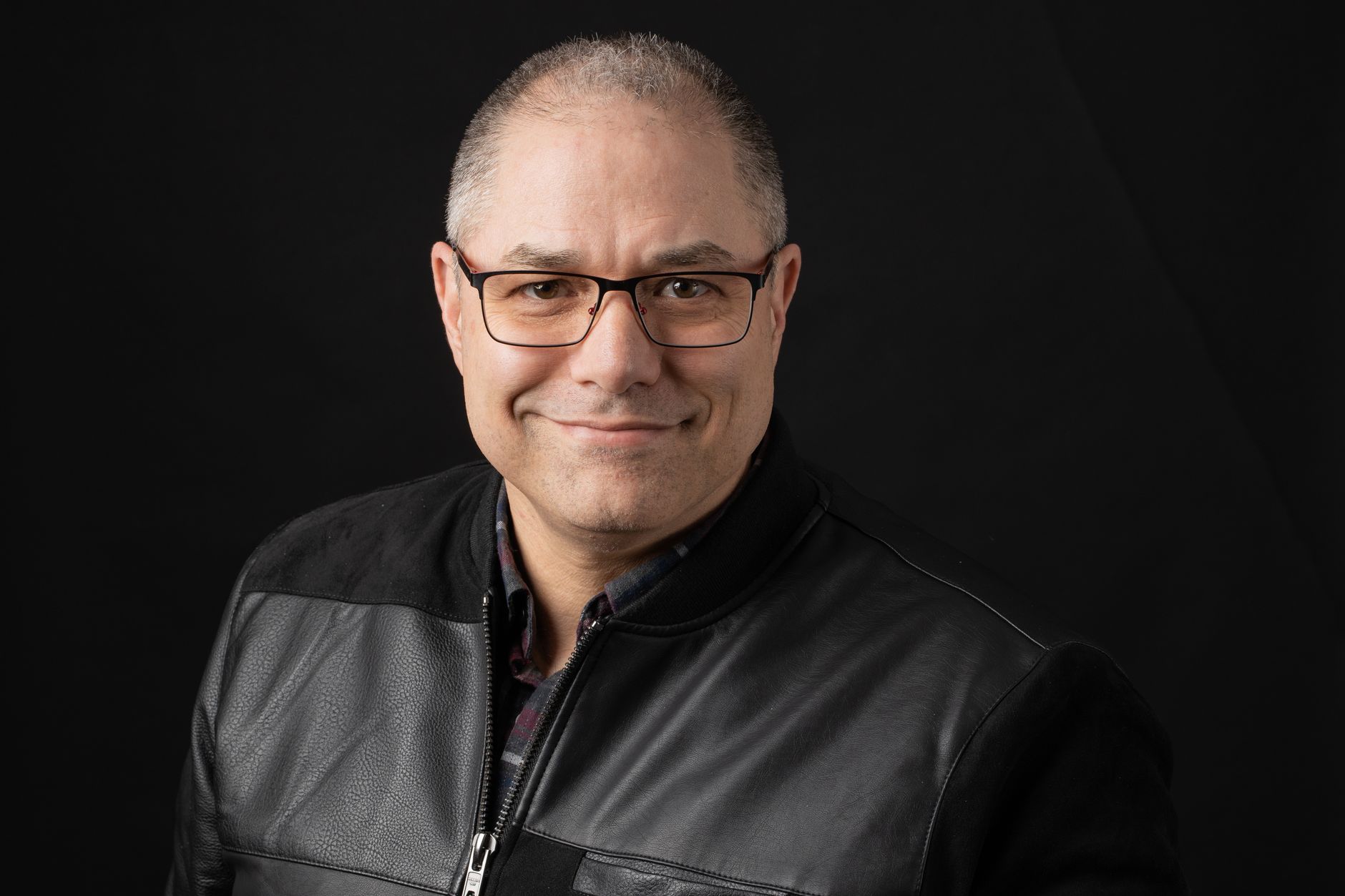
Mike Starchuk, Imagine Surrey party leader and Surrey mayoral candidate, announced Monday a proposal to introduce a municipal tax on homes left empty for much of the year, with revenue dedicated to building new affordable housing projects within Surrey. The plan is modelled on Vancouver's Empty Homes Tax, introduced in 2017 after the city received special taxing powers through changes to Vancouver Charter legislation in 2016.
Surrey municipal government cannot enact the tax on its own; it is governed under the B.C. Local Government Act and Community Charter, unlike Vancouver. If elected October 17, Starchuk says his party would pass a member motion within the first 100 days asking the provincial government to grant Surrey the same taxing authority. The party would prepare a bylaw preemptively for quick implementation once authorization is received.
"I'm not asking the province for money," Starchuk said. "I'm asking for the same tool every mayor of Vancouver has had since 2016, and I'm asking every leader on the provincial ballot to answer in one word whether they will give Surrey that same power." Starchuk is seeking early commitments from provincial political parties and candidates ahead of the October 24 provincial general election.
Under the proposal, Surrey's tax would apply to homes left unoccupied for most of the year, with exemptions for principal residences, long-term rentals, homes undergoing renovations, and owners in care. City Council would set the rate, using Vancouver's annual levy of 3 per cent of assessed property value as a benchmark. At that rate, a vacant property assessed at $1 million would face an annual bill of $30,000.
Vancouver identified 979 vacant properties for the 2024 tax year. Since the city introduced its tax in 2017, vacant properties declined about 67 per cent by 2024, and the tax generated $194.3 million in revenue allocated to affordable housing initiatives. The proposal includes building 1,000 new supportive housing units per year, though details on funding mechanisms beyond the tax remain unspecified.
Will the provincial government grant Surrey the same taxing authority Vancouver has held since 2016?
What tax rate will the city council ultimately set—will it match Vancouver's 3% of assessed property value?
We'll update this story as answers emerge.
The facts
What is Mike Starchuk's proposal for Surrey housing?
Mike Starchuk proposes an empty homes tax on properties left unoccupied for most of the year, with revenue dedicated to building 1,000 new supportive housing units annually in Surrey.
Why does Surrey need provincial approval for this tax?
Surrey is governed under the B.C. Local Government Act and Community Charter, unlike Vancouver, which has special taxing powers granted through Vancouver Charter legislation. Surrey cannot enact the tax without the same authority from the province.
How much would an empty home assessed at $1 million be taxed under Starchuk's plan?
At Vancouver's benchmark rate of 3 per cent of assessed property value, a home assessed at $1 million would face an annual tax bill of $30,000.
How successful has Vancouver's empty homes tax been?
Since Vancouver introduced its Empty Homes Tax in 2017, vacant properties declined approximately 67 per cent by 2024, and the tax generated $194.3 million in revenue for affordable housing initiatives.
