TransLink ridership dropped 5% in Q1 2026 — the steepest quarterly decline yet
The transit authority's latest quarterly report shows the slide that started in 2025 is accelerating, with buses and SkyTrain hit hardest.
The day's top stories, food & events — every morning at 7. Unsubscribe anytime.
TransLink's Q1 2026 financial report shows the numbers aren't great. Boardings fell 5% year-over-year, dropping from 97.2 million in Q1 2025 to 92.3 million this year. Journeys — complete trips, counting transfers as one — fell 3.8%, from 57.9 million to 55.7 million. Both metrics also undershot TransLink's own budget targets by over 4 percentage points.
This marks the first quarterly decline in recent report comparisons and signals that the downturn that hit in 2025 — when the system saw its first-ever annual ridership drop of roughly 1.5% — is now picking up speed, not leveling off.
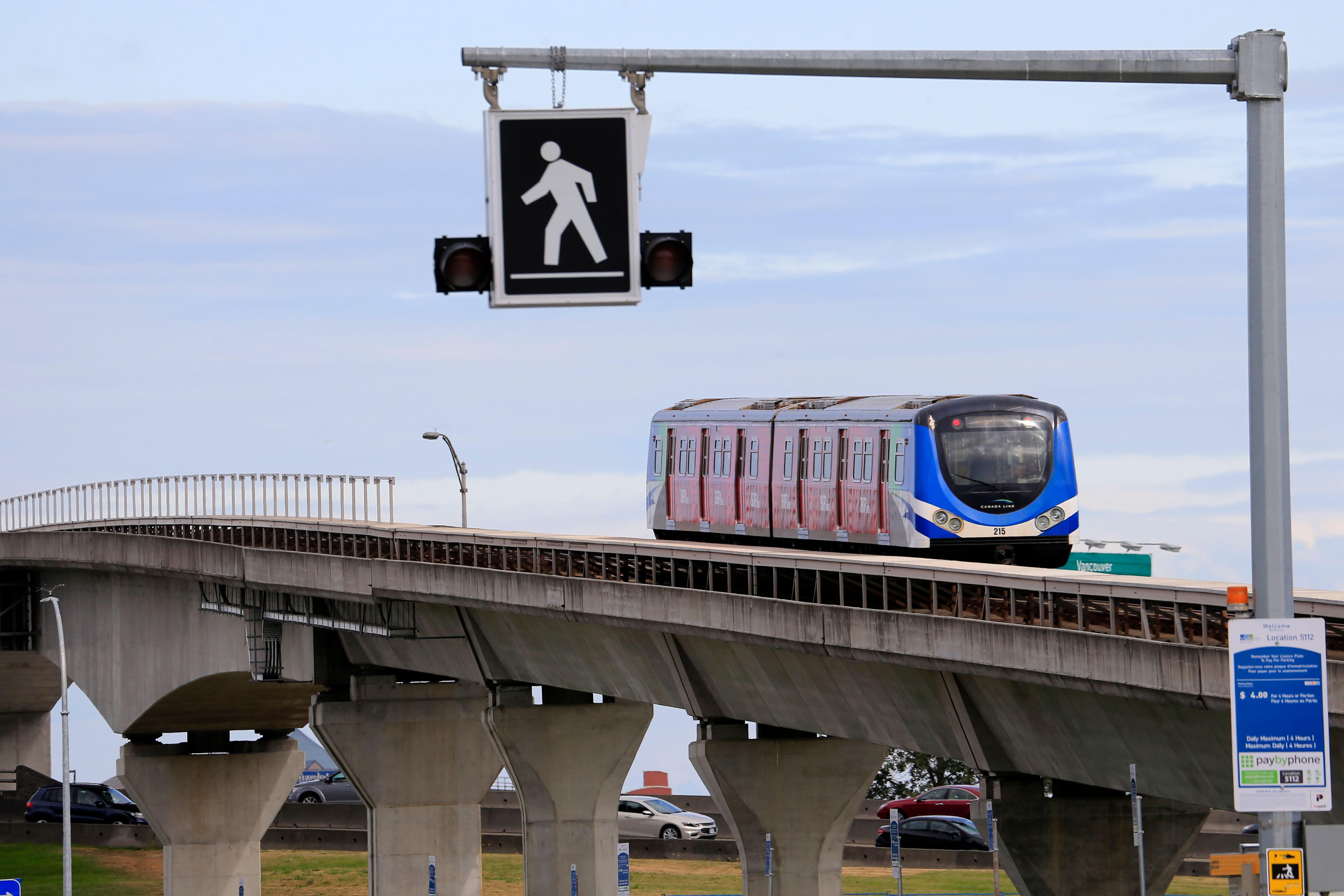
The hit wasn't uniform across the network. Bus and SeaBus took it hardest with a 6.1% boardings decline. SkyTrain's Expo and Millennium Lines dropped 4.4%, while the Canada Line fell 2.0%. West Coast Express was the outlier, growing 5.4%, though it's the system's smallest service.
TransLink is pinning the decline on demographic shifts rather than service issues. The transit authority points to federal cuts affecting international student, post-graduate, and temporary worker visa programs, which have shrunk the 19-to-34 age group — historically the heaviest transit users. Regional affordability pressures and slower employment growth are also in the mix. The authority suggests the dip may be temporary, and notes the lighter ridership has actually given some relief on previously overcrowded routes.
Context matters here: Q1 2025 was still showing a 1.1% year-over-year growth before 2025's full-year total turned negative. Now Q1 2026 is down 5%, which means the slide is deepening as the year progresses, not stabilizing.
The facts
How much did TransLink ridership drop in Q1 2026?
TransLink boardings fell 5% year-over-year in Q1 2026, dropping from 97.2 million in Q1 2025 to 92.3 million.
Which TransLink services were hit hardest?
Bus and SeaBus saw the steepest decline with a 6.1% boardings drop, followed by SkyTrain's Expo and Millennium Lines at 4.4%.
Why does TransLink say ridership fell?
TransLink attributes the decline to federal cuts affecting international student, post-graduate, and temporary worker visa programs, which have reduced the 19-to-34 age group—historically the heaviest transit users—along with regional affordability pressures and slower employment growth.
Which service grew instead of declining?
West Coast Express grew 5.4% in Q1 2026, though it remains the system's smallest service.
