Vancouver council revives lower speed limits on select major roads, reversing June vote
Robson, Denman and Davie are getting lower limits back, with the full set of major-street reductions due in place by 2031.
The day's top stories, food & events — every morning at 7. Unsubscribe anytime.
Vancouver City Council has voted to bring back lower speed limits on some of the city's major streets, almost six months after the same council dropped the idea. The motion, approved November 18, puts back the staff plan to cut limits on select major roads, reversing the June 9 vote. Those reductions are to be in place by 2031.
Six months after the same council voted to drop the plan, Robson, Denman and Davie are getting their lower limits back, and anyone who has ever waited at a crosswalk on a Main Street-style arterial in the rain already knows why the timing matters.
The council vote on the local-street change was unanimous: local streets go to 30 km/h. Staff will move ahead with the first road-safety measures, including the proposal council previously rejected to lower limits on select major streets.
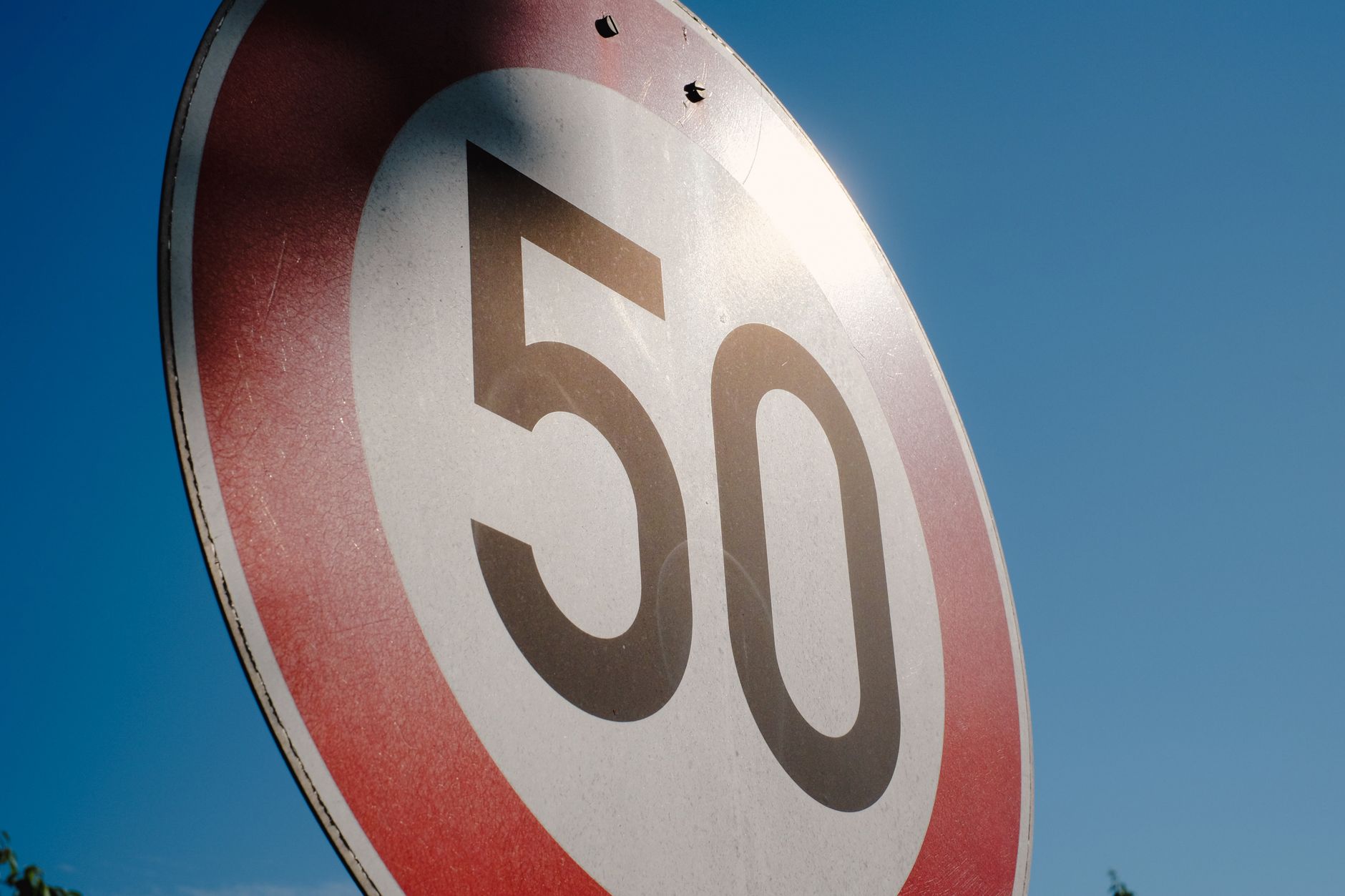
The default in B.C. is 50 km/h unless a sign says otherwise, and cities can lower the limit on individual streets. Guidelines are not binding; the actual limit depends on conditions along each street. Downtown, streets with one lane each way would get 30 km/h and streets with two or three lanes each way would get 40 km/h. Outside downtown, busy pedestrian areas would get 30 km/h on one-lane-each-way streets and 40 km/h on two-lane-each-way streets.
The first phase would cover the downtown peninsula plus at least three shopping streets and three residential arterial or collector streets elsewhere. Staff named Robson, Denman, Davie, Water and Alberni as early downtown priorities. Outside the centre, staff would prioritize streets with more pedestrians, such as retail areas and streets near schools, parks and playgrounds, and they are also looking at where serious collisions have happened. Signs would go up block by block, and where practical, traffic lights would be timed so a driver at a steady slower speed can catch several greens in a row.
The June 9 vote had removed staff's plan to cut major-street limits to 30 or 40 km/h. That amendment was moved by ABC Coun. Peter Meiszner, and Sean Orr, Rebecca Bligh and Lucy Maloney voted against it. Staff had said the reductions would not significantly affect travel times. Mihai Cirstea of Vision Zero Vancouver said a pedestrian hit at 50 km/h faces a high risk of being killed, while at 30 km/h a pedestrian is far more likely to survive.
Richmond, meanwhile, has begun putting 30 km/h limits on residential roads across a large network, with sign installation expected to take about three months. In Vancouver, the first-phase streets and sign rollout come before the 2031 deadline for the full set of major-street reductions.
