Vancouver police deploy new rooftop drones for rapid response
Six Skydio X10 drones now sit in weatherproof pods around the city, able to launch automatically or be directed to crime scenes and emergencies.
The day's top stories, food & events — every morning at 7. Unsubscribe anytime.
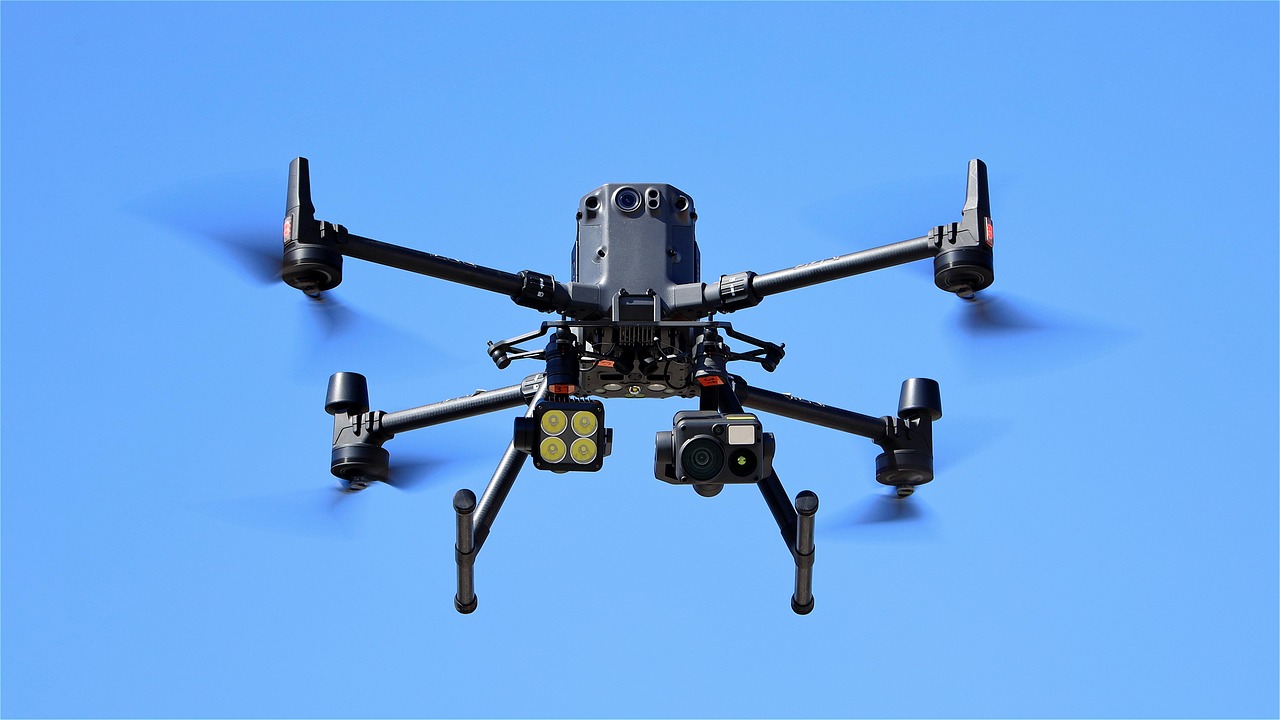
Vancouver Police Department has added a new tool to its arsenal: six Skydio X10 drones stationed in weatherproof pods on rooftops around the city, capable of launching automatically to emergency scenes and streaming video to officers and command.
The department says the drones act as first responders. In one scenario, an officer being assaulted can tap their body camera three times to automatically send a drone to their location. In another, a pilot directs a drone to a crime in progress so it arrives first, streaming video to responding officers to help with suspect pursuit.
The VPD has used drones for years, typically hand-piloted on a case-by-case basis. These new drones can fly to scenes autonomously but then operate under a pilot's direction. The camera only records when a pilot activates it.
But legal experts say the law hasn't kept pace. Vancouver criminal defence lawyer Kyla Lee said she expects VPD use to expand over time. "If there's not a clear guideline in place, when police get the power to do something, they're going to incrementally use it more and more until they hit a point at which they're told to stop," she said. Lee estimates that in 18 months to two years, use will go beyond what the department currently describes.
Lee's concern centres on Canada's Charter of Rights and Freedoms, which protects against unreasonable search. Police generally need a warrant before surveillance — including drone footage that captures things an ordinary person on the street couldn't see, like inside a backyard or through a high window. To her knowledge, no Canadian appeals court has ruled on police drone use.
The VPD confirmed one other use: estimating crowd size and monitoring marches during large protests, though footage is "not at the individual identifiable level unless there is an investigative need." The department said its pilots constantly weigh privacy concerns, and will seek a warrant before recording if a drone might capture someone or a place where there is a "charter-based reasonable expectation of privacy" and no emergency exists.
