Police identify long-lost uncle through DNA genealogy
Toronto officer's investigative genetic genealogy project has identified 11 unidentified persons, bringing closure to families searching for answers.
The day's top stories, food & events — every morning at 7. Unsubscribe anytime.
When Michele Dent got a call from Toronto police in January, she thought it was a scam. The investigator was calling about unidentified human remains found near Downsview Park in 2021—remains that turned out to be her uncle, Willard Duval, an Indigenous man in his 70s who'd been reported missing in 2018.
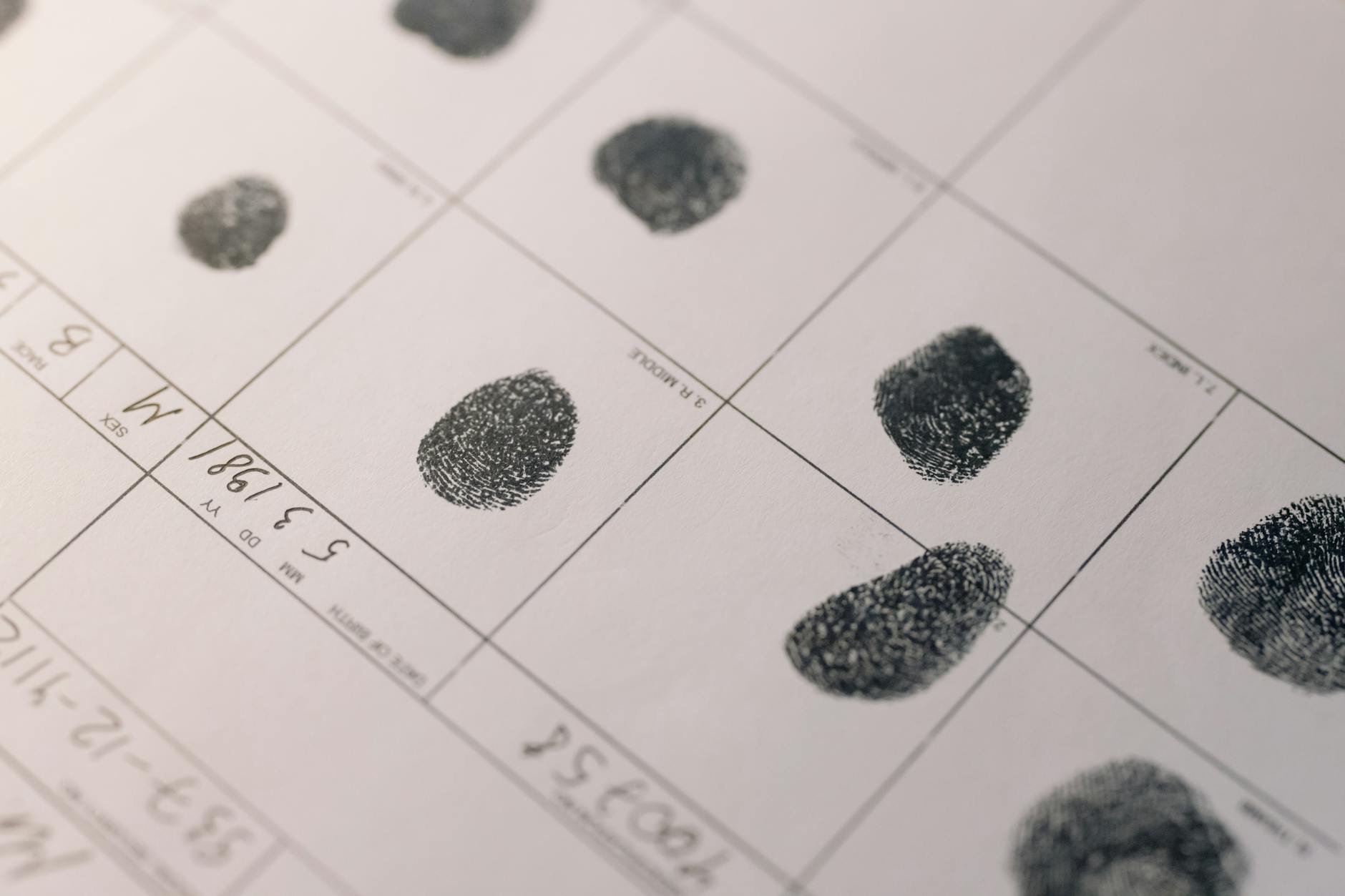
Duval is one of 11 people identified through Project 31, a Toronto police initiative using investigative genetic genealogy (IGG) to solve long-term missing persons cases. The technique works by searching DNA for genetic markers unique to a person's ancestors, then building family trees to narrow down identity.
Det. Const. Mike Kelly, who works the homicide and missing persons unit, describes IGG as "a big game of genetic warmer and colder." Unlike standard DNA testing, which compares one known person to another, IGG works when there's an unidentified person involved. By searching DNA portions against databases, investigators can ask: who is this person related to, biologically, and by how much?
Duval's remains were found in September 2021 near Carl Hall Road in thick brush. Police couldn't identify him through conventional methods, so the case was selected for IGG investigation in 2022. Four years later, Duval was identified and connected to Dent.
Dent said her family had been "ripped apart" when her father—Duval's brother—was five years old. The two siblings were separated and adopted by different families. Her father was also sent to the Mohawk Institute, the residential school in Brantford that operated for over 140 years.
Before learning about her uncle, Dent only knew her family through a small stack of papers from the Children's Aid Society. The identification brought closure to questions that had haunted her family's history.
It's a powerful example of how technology can bridge gaps in criminal investigation and family history, especially for Indigenous people navigating the legacy of systemic separation.
