White Rock's hidden history: from firefighting to Buster Keaton to drag racing
The South Metro Vancouver suburb has been an outpost for more than a century, with stories ranging from American firefighters crossing the border to a famous comedian's final silent film.
The day's top stories, food & events — every morning at 7. Unsubscribe anytime.
White Rock has been a Metro Vancouver outpost for more than 100 years, but its deeper past is far more colourful than most residents know.
The Semiahma people lived in the area for thousands of years with a close connection to the sea. When settlers arrived, the ocean remained central to the community's life. Originally a logging camp, White Rock evolved into a seaside resort town before becoming a full municipality in 1957.
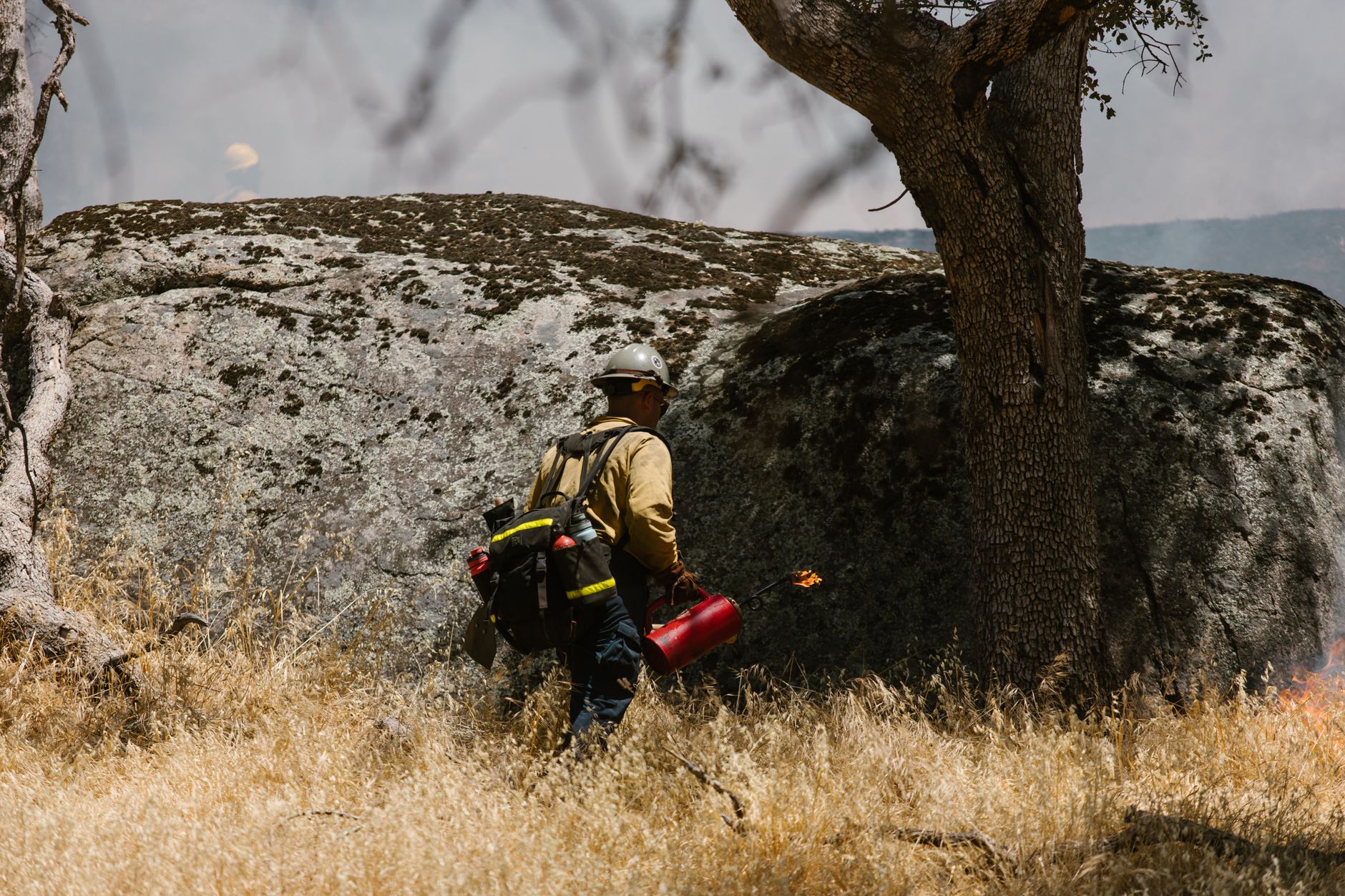
Long before it had its own infrastructure, the town's firefighting was a cross-border affair. White Rock didn't have a firetruck until the 1930s, so when fires broke out, firefighters from Blaine, Washington—just south of the border—often raced to the rescue. The boundary between the two towns was porous when emergencies struck. "International formalities are overlooked on such occasions, and the fire wagons come thundering across the boundary without stopping for immigration checks," the reports indicated on April 30, 1932. "Gratitude of this community is great towards those men 'who left their homes unprotected to aid a neighbour.'" Citizens held events to honour the Blaine firefighters.
Hollywood came to White Rock in 1965 when Buster Keaton filmed the final scenes of "The Railrodder," his last silent film. Produced by the National Film Board of Canada, it featured Keaton crossing the country from Atlantic to Pacific on a tiny railway maintenance vehicle. He passed through Vancouver's industrial port, then arrived at White Rock's beach, took in the view, and headed back east. With music and sound effects added, it became his last silent picture before his death in 1966.
The pier itself has its own wild chapter. In the 1940s and 1950s, cars were allowed on the pier—and teenagers took full advantage. Drag racing teenagers wore out the structure until the mid-1950s, when vehicles were finally banned. The pier, Canada's longest, sticks so far into the ocean that Canadian marine navigation laws prohibit red and green lights, which could confuse vessels at night. Those hoping to see the pier lit in those colours will be disappointed.
One beloved tradition faded decades ago. The Canadian Open Sandcastle Competition ran every year from 1977 to 1987, drawing hundreds of thousands of people to White Rock's beach. Teams had only a few hours at low tide to build massive creations before watching them fade into the sea. Eventually the event grew too large and had to be cancelled. There have been talks about bringing it back, but like the sandcastles themselves, plans haven't stuck around.
At a glance
When did White Rock become a municipality?
White Rock became a full municipality in 1957.
Why did firefighters from Blaine, Washington respond to fires in White Rock?
White Rock didn't have its own firetruck until the 1930s, so firefighters from Blaine crossed the border to fight fires in the community.
What film did Buster Keaton shoot in White Rock?
'The Railrodder' was Buster Keaton's last silent film, with its final scenes filmed in White Rock in 1965. The National Film Board of Canada production featured Keaton traveling across the country on a railway maintenance vehicle and concluded at White Rock's beach.
When was drag racing banned on White Rock's pier?
Vehicles were banned from White Rock's pier in the mid-1950s after teenagers had damaged it through drag racing in the 1940s and 1950s.
