Data Gap Hampers City's Ability to Protect Vulnerable Residents
Edmonton mayor calls for more open data to track homeless and at-risk populations during extreme weather events.
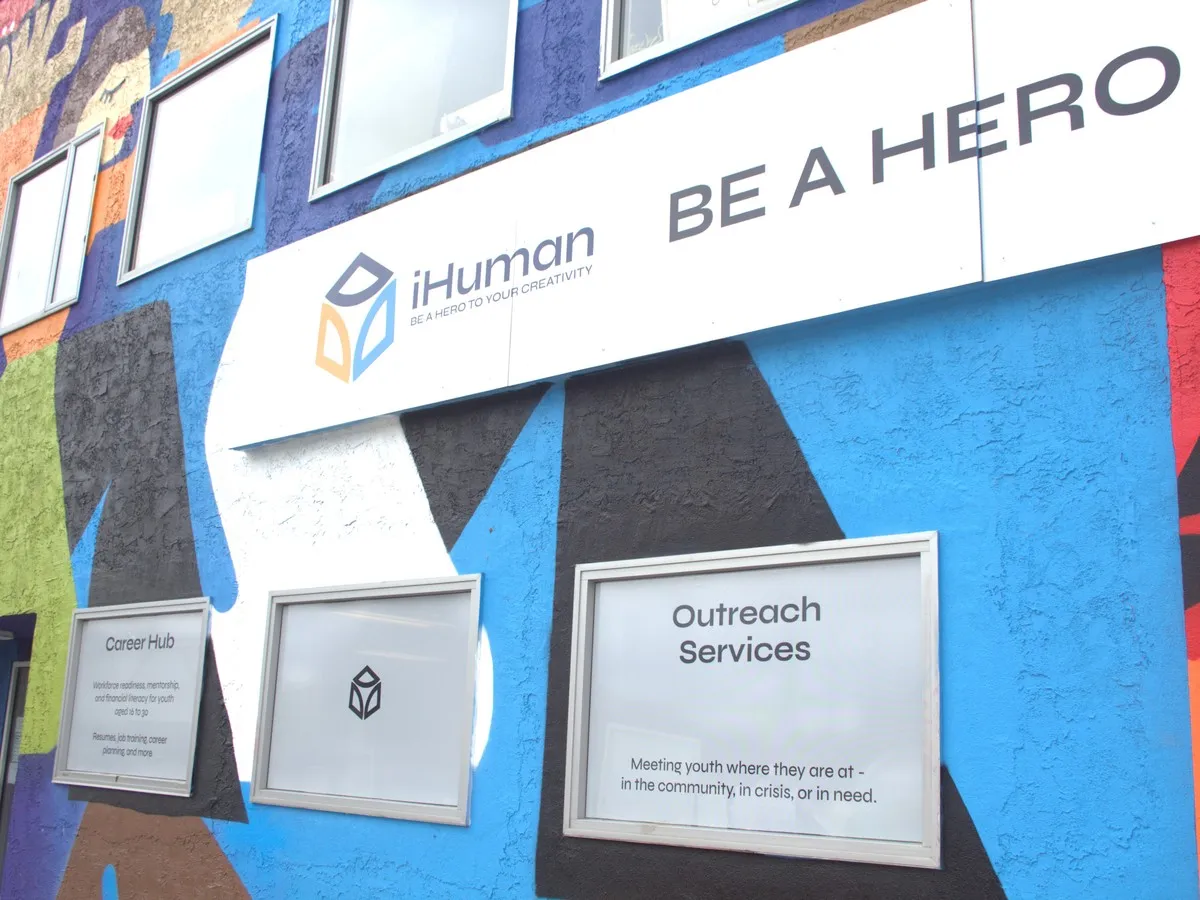
Edmonton's mayor is pushing for better data sharing to protect the city's most vulnerable residents during extreme weather—a call that highlights gaps in the current social safety net.
During last winter, the iHuman Youth Society provided more than 4,200 individual youths with safe spaces, warm meals, and career access. But officials caution that without comprehensive data about who's slipping through the cracks, the city can't accurately measure how well current programs are actually working.
The problem is institutional: different organizations—shelters, outreach programs, nonprofits—operate independently and don't necessarily share information about the people they serve. That fragmentation means no one has a complete picture of unmet needs or gaps in coverage.
Extreme weather periods like winter are particularly critical. When temperatures plummet, vulnerable populations face life-threatening risks, yet the city's emergency response is hampered by incomplete information about where people are concentrated and what services they're accessing.
The mayor's push for more open data reflects a growing recognition across Canadian cities that homelessness and poverty require coordinated, evidence-based responses. Without knowing the actual scope of the problem—how many people are being served, how many aren't—it's impossible to allocate resources effectively or advocate for the funding needed to expand programs. The call for data transparency is less about surveillance and more about accountability and better outcomes for people in crisis.