The World Cup Came to Vancouver. Most Small Businesses Are Bracing for Nothing.
Seven matches at BC Place. A packed Fan Festival. Hotels charging $1,700 a night. So why are three in four small business owners expecting the summer's biggest event to miss them entirely?
The day's top stories, food & events — every morning at 7. Unsubscribe anytime.
A café owner two blocks from BC Place Stadium is restocking the cooler when a group of fans in Colombian jerseys walks past the window. They don't come in. They're heading to the Fan Festival at Hastings Park, or back to their hotel, or somewhere else. She watches them go and returns to wiping down the espresso machine.
This is the contradiction of Vancouver's summer: the city is hosting the biggest sporting event it's seen in sixteen years, and most of the people running small businesses here are quietly, almost matter-of-factly, expecting it to change nothing about their bottom line.
The numbers are stark. Nearly three in four small business owners in Vancouver expect the World Cup to have zero impact on their revenue. Eleven per cent anticipate sales will actually decline. Meanwhile, the stadium is full. The Fan Festival draws thousands daily. Five blocks of Granville Street have been closed to cars. Hotels that normally run $426 on an ordinary night are commanding $1,723.
On paper, it looks like a win. In practice, it feels like watching a party happen on the other side of a glass wall.
The pessimism didn't arrive overnight. It's the accumulated weight of 33 consecutive months of weak consumer spending—nearly three years of people cutting back, restaurants closing, owners deferring repairs and payroll increases. That's not the kind of drought you bounce back from by hiring an extra shift for a two-week tournament.
"We're just trying to cover rent," is what you hear if you ask around. Not "How do we capitalize on this?" Not "Let's extend our hours." Cover rent. Stay open. Make it to September.
There's a particular cruelty in the timing. The customers are coming. Research shows that Canadians planning to watch World Cup matches outside their homes prefer independent local businesses over national chains by 22 per cent to 2 per cent. The spending intention is there. The foot traffic exists. But confidence—the kind you need to invest in staff, inventory, or signage—has been hollowed out by three years of uncertainty.
A business owner needs to believe a good thing will reach them before they'll spend money preparing for it. Most small business owners in Vancouver have stopped believing in good things that look obvious from the outside.
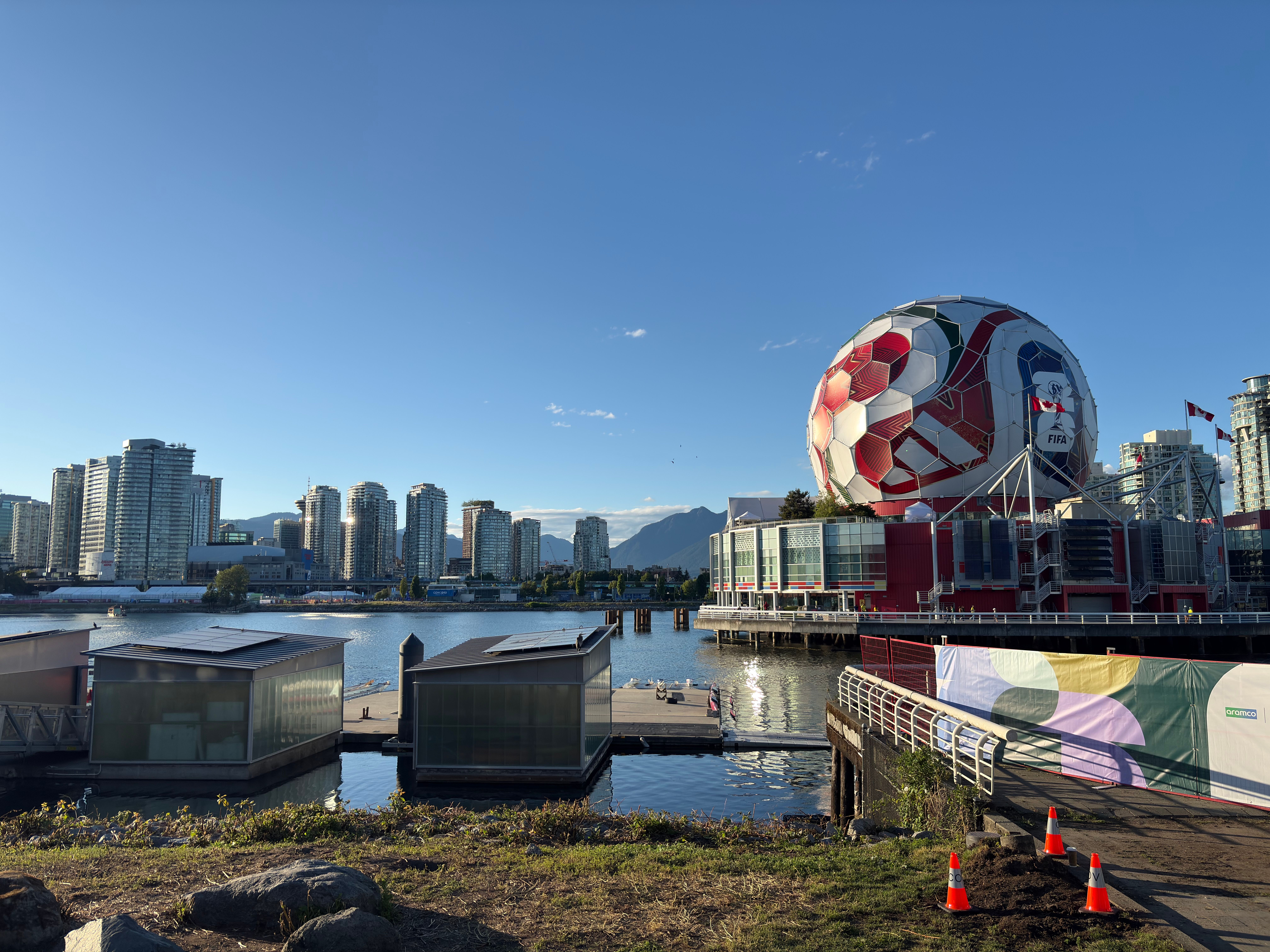
BC Place Stadium will host seven matches—more than Seattle, San Francisco, Toronto, and Philadelphia combined. The PNE fairgrounds have a brand new 10,000-seat amphitheatre. The city feels alive in a way it hasn't since 2010.
But walk into the independent coffee shop, the vintage bookstore, the family restaurant, and you'll find owners who are waiting it out rather than leaning in. Not because they're pessimistic about the World Cup. Because they've learned, over 33 months, not to bet on anything.
The paradox is that the event is real. The crowds are real. The opportunity is real. But the mental and financial bandwidth to reach for it has been spent. After nearly three years of grinding consumer demand, most small business owners are operating in survival mode, not growth mode.
So the flags wave on Granville Street. Thousands pack into Hastings Park. BC Place roars. And two blocks away, someone is hoping the register rings enough to cover tomorrow's rent.
Vancouver got its World Cup summer. The question, for most of the people who run this city's commercial heartbeat, is whether any of it will actually reach them.
