B.C. permafrost thaw will trigger more frequent rockfalls and landslides
Climate change is destabilizing mountain slopes across the province. Scientists say permafrost that holds rock faces together is melting faster as temperatures rise.
The day's top stories, food & events — every morning at 7. Unsubscribe anytime.
Permafrost melting due to climate change is destabilizing B.C. mountainsides, and rockfalls and landslides will become more frequent in coming years, according to a University of Northern British Columbia researcher.
Joseph Shea, a professor of environmental geomatics at UNBC, said permafrost "goes fairly deep into the mountainside" and is "basically like a glue that can be holding some of these mountain pieces together." As temperatures rise and that frozen ground thaws, the bond weakens. "If you thaw it enough, and then you sort of wedge another bit of ice in, it's just enough to make it topple," Shea said.
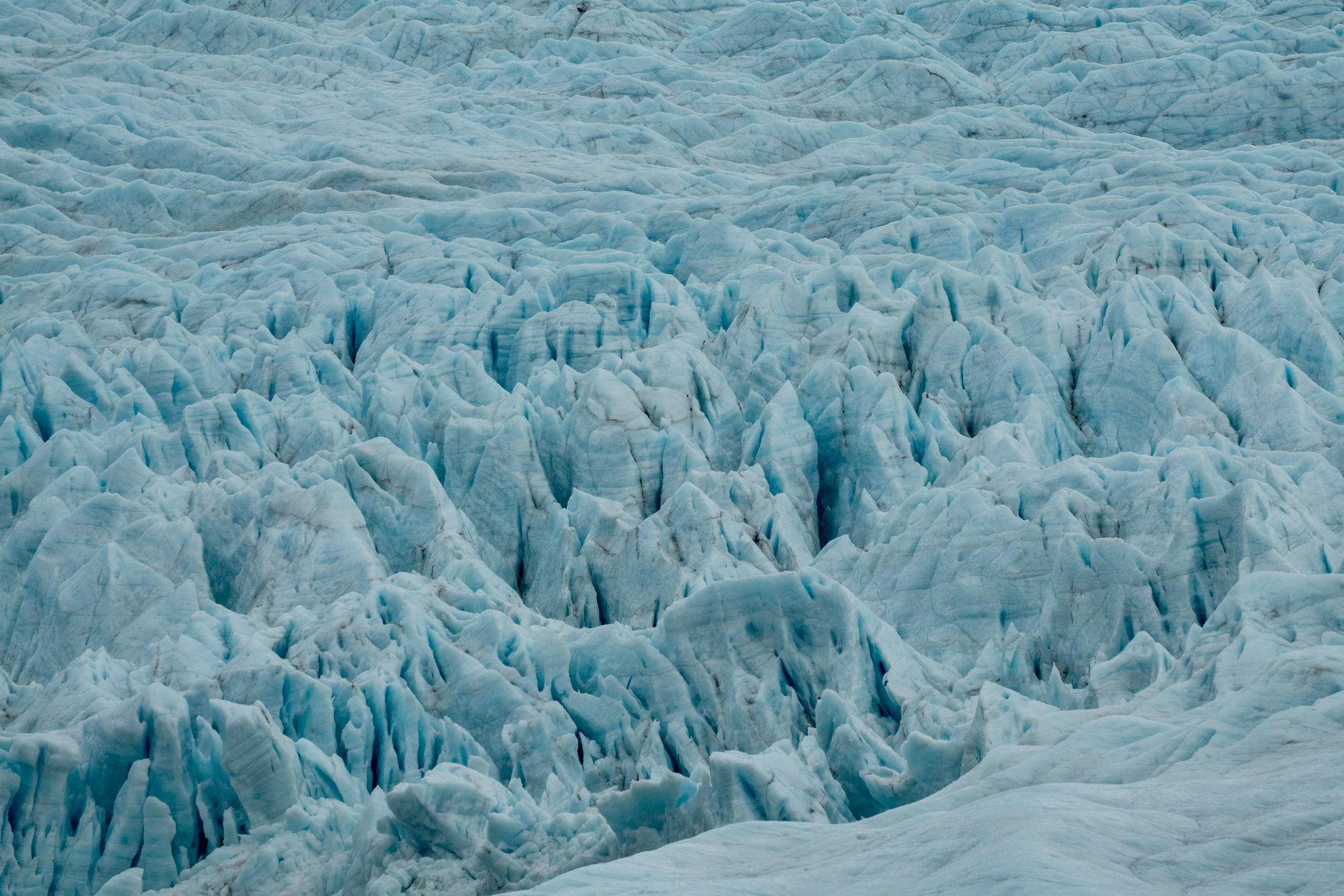
The problem is compounded by retreating glaciers. Glaciers act as a physical brace holding steep valley walls in place. As they shrink and move upslope, those walls lose support. "If you imagine a glacier extended far down a valley, these steep walls are sort of pinned in by the ice," Shea said. "But as soon as that ice retreats back up the valley, all of a sudden those steep walls can collapse."
Three incidents in B.C. have been tentatively linked to permafrost thaw: the Mount Meager landslide in 2010, the Elliot Creek landslide in 2020, and a Whistler rockfall earlier this year. While scientists do not expect a single catastrophic event like the Nepal-Tibet border flash flood last month—which killed over 1,000 people after a glacier collapse triggered an ice avalanche—the steady increase in smaller incidents poses a real risk across the province's alpine regions.
Shea does not expect a Nepal-scale disaster in B.C., citing different topography and mountain geology. But as permafrost continues to thaw, residents in mountain communities should expect closures and debris cleanup to become routine rather than exceptional.
How many rockfalls and landslides in B.C. have been attributed to permafrost thaw in the past two years?
What early-warning systems does the province have in place for high-risk slopes?
We'll update this story as answers emerge.
The facts
What role does permafrost play in holding B.C. mountain slopes together?
Permafrost acts like glue deep within mountainsides, holding rock faces in place. When it thaws due to rising temperatures, that bond weakens and can eventually cause rockfalls or landslides.
How do retreating glaciers contribute to mountain instability in B.C.?
Glaciers physically brace steep valley walls in place. As they shrink and retreat upslope, those walls lose support and can collapse.
Which B.C. incidents have been linked to permafrost thaw?
Three incidents have been tentatively linked: the Mount Meager landslide in 2010, the Elliot Creek landslide in 2020, and a Whistler rockfall earlier in 2026.
